


Delivering on the region’s electrical supply and demand, the Midwest Reliability Organization expertly maintains the reliability, security, and resilience of the North American bulk power system. Sara Patrick, President and CEO, highlights how it navigates regulatory and industry challenges.
Q&A WITH SARA PATRICK, PRESIDENT AND CEO, MIDWEST RELIABILITY ORGANIZATION
Firstly, could you introduce us to the bulk power system and explain how it works?
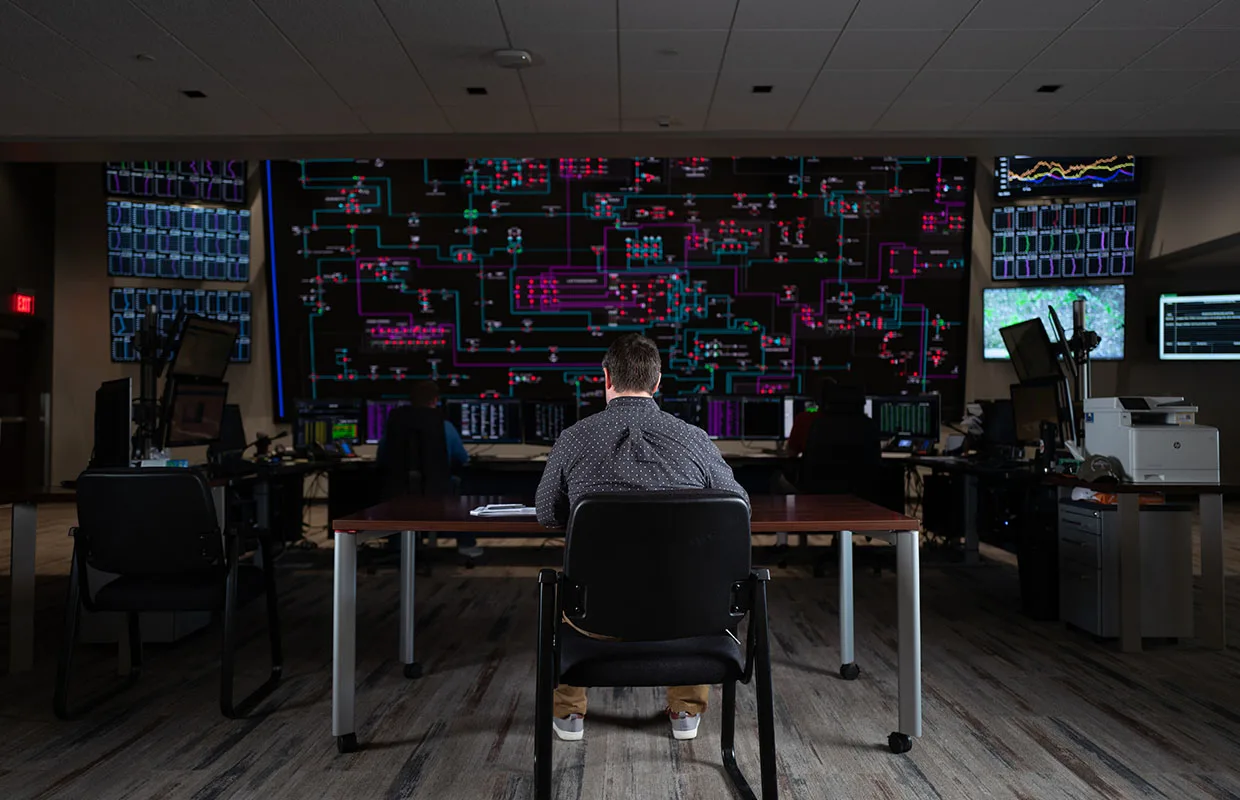
Sara Patrick, President and CEO (SP): The bulk power system is a network of power plants and high-voltage power lines that work together to produce and move electricity over long distances.
It is an incredibly complex and interconnected network of systems, where power grid operators are challenged to maintain a perfect balance between electricity generation (supply) and consumption (demand).
The system must maintain a steady frequency of 60 hertz in North America. If the system significantly deviates from this level, the power grid is at risk of collapse.
A simple analogy of this is a playground seesaw. Imagine you are on one side, and I am on the other – it would take constant effort on both our parts to keep the seesaw perfectly level. If either one of us hits the ground, the fun would be over.
What is your take on bulk power system use in the region at the moment?
SP: Like many other areas around the world, the electricity industry in North America is seeing significant changes in both supply and demand. These changes come on the heels of relatively flat growth for more than four decades.
The bulk power system was built with traditional power plants – which use readily available fuel like coal, nuclear, and natural gas – in mind.
The energy stored in the large, spinning masses of these machines can accommodate fluctuations in generation and demand, such as a sudden outage or spike in electricity use. These units have the capacity to temporarily speed up or slow down, adjusting to grid conditions in real time.
Renewable energy sources, meanwhile, including wind and solar, have little to no spinning mass or readily available fuel supply. Therefore, their introduction makes the grid more dynamic.
This is why, as the industry transitions to lower carbon energy sources, new technologies like advanced control systems and battery storage, along with demand-side management programs that promote electricity conservation and encourage electricity use when it is most abundant, are so important to maintaining grid stability.
At the same time, we are seeing sharp increases in electricity consumption. This is primarily due to the introduction of large data centers that power new technologies like crypto mining and artificial intelligence (AI), and the electrification of other industries aiming to reduce carbon footprints, such as manufacturing, home heating, and transportation.
When and how we use electricity is also changing. Peak electricity hours – or periods when demand is the highest – are expected to shift due to changes in consumer behavior and the expanded use of electric vehicles (EVs) and appliances. More frequent and longer-duration severe weather systems are also impacting electricity use.
All of this makes it much harder to balance the system and match energy generation with demand in real time, as well as predict how much supply is going to be needed in the future, which is referred to as resource adequacy.
Alongside these reliability challenges, securing the grid has become increasingly complex due to the rapid adoption of new technologies and the current geopolitical climate. As threat actors become more sophisticated and evolve their tactics, our defenses must also evolve to effectively mitigate cyber and physical security risks.
Could you tell us about the history and founding principles of the Midwest Reliability Organization?
SP: The history of the Midwest Reliability Organization (MRO) is rooted in the US government’s Energy Policy Act of 2005, which was created as a direct result of the massive Northeast Blackout of 2003.
This historic event left an estimated 55 million people across eight US states and the Canadian province of Ontario without power, some for days. The economic cost was in the billions.
In response, Congress mandated the creation of the Electric Reliability Organization (ERO) to develop, monitor, and enforce mandatory reliability standards for those who use, own, and operate the bulk power system in the US.
ERO was named the North American Electric Reliability Corporation (NERC) by the Federal Energy Regulatory Commission (FERC) in 2006. NERC delegates its authority to six regional entities, including MRO. Together, NERC and the regional entities are known as the ERO Enterprise.
Due to the interconnected nature of the North American bulk power system, four of the six regional entities have oversight authority in both the US and Canada under different operating agreements with individual provinces, who are each unique and have their own governing authority.
The ERO Enterprise regulatory model is unique in that it combines mandatory standards and requirements with a collaborative structure that brings key stakeholders together to assess and mitigate risk. We share an important vision with the industry of a highly reliable and secure North American bulk power system.
MRO’s mission is to identify, prioritize, and assure effective and efficient mitigation of risks to ensure the reliability and security of the grid by promoting Highly Effective Reliability Organizations® (HEROs®).
What about MRO’s primary responsibilities and geographical reach?
SP: MRO’s regional territory spans the Canadian provinces of Saskatchewan and Manitoba through to all or parts of 16 US states, all the way down to Texas.
The region includes approximately 245 organizations that participate in the production and delivery of electric power, including Canadian utilities, cooperative and municipal utilities, investor-owned utilities, federal power marketing agencies, generator power marketers, and transmission system operators.
Our primary responsibilities within our geographic territory are to:
- Register and certify entities that are users, owners, and operators of the bulk power system.
- Monitor and enforce compliance with mandatory reliability standards by these registered entities.
- Conduct assessments of the grid’s performance and ability to meet electric power demand.
- Analyze system disturbances to determine root causes and share lessons learned with industry players.
- Identify, assess, and help reduce bulk power system risk.
Additionally, we provide an open forum for the region’s stakeholder experts to discuss important topics related to improving reliable and secure operations of the power grid.
MRO therefore serves as a vital link between grid owners, users, operators, and other key stakeholders who share common reliability interests in the region.
Based in Saint Paul, Minnesota with just over 80 employees currently, one of MRO’s most unique attributes is that we lie at the intersection of three out of four North American bulk power system interconnections.
We represent the ‘man in the middle’ that brings together the policies and activities that connect the Western, Texas, and Eastern interconnections. As such, we play an important role in raising awareness of and mitigating bulk power system risks.
We are a foundational component of the reliability and security of the North American bulk power system, and we take this role very seriously.
Even though the challenges before us are daunting, I believe that because of the work of MRO and our counterparts across the ERO Enterprise, our future is bright.
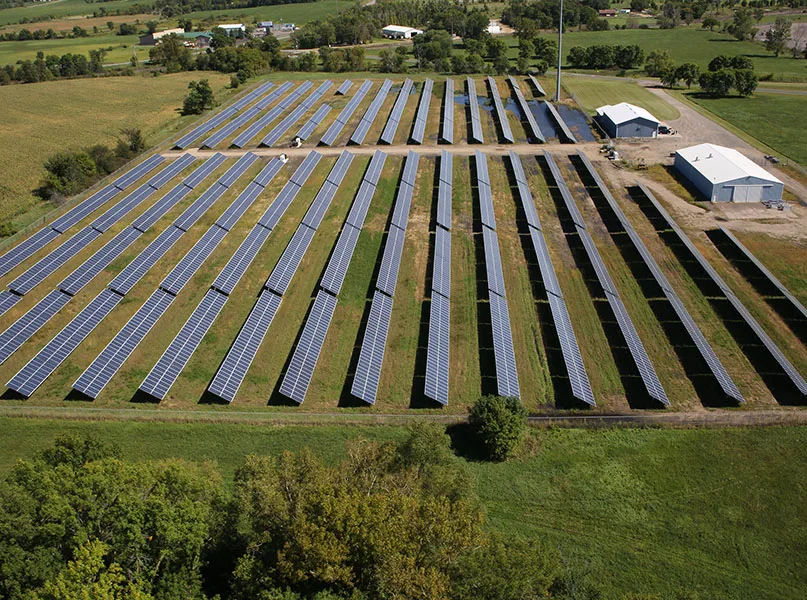
In what ways does MRO help ensure the reliability and security of the bulk power system across its regional territory?
SP: While penalties for non-compliance with mandatory standards can deter certain behavior, most of our efforts focus on proactively addressing risk through data analysis, information sharing, and collaborative outreach.
We dedicate significant time to working with stakeholders in the region to identify, assess, and mitigate the greatest threats to the reliable and secure operation of the power grid.
These activities range from one-on-one discussions with individual entities and webinars and industry roundtables to larger workshops and conferences on specific risk topics.
The reliability assessments we publish help to raise awareness of current challenges facing grid operators and planners, as well as alarming trends we see through our data collection and analysis efforts.
Our premier product is a Regional Risk Assessment (RRA), which we conduct annually to identify the biggest risks to the regional power grid and develop and to prioritize mitigation strategies for the electricity industry.
This assessment is a collaborative effort between MRO staff and industry experts to evaluate continent-wide risks and determine their likelihood and potential impact on the regional grid.
The RRA covers topics such as energy availability, extreme weather preparedness, cyber and physical security, and renewable resource integration, among others.
MRO’s outreach initiatives are directly shaped by the RRA’s key findings, allowing us to prioritize communication around the most pressing risks identified in the report.
Throughout the year, we deliver this information through a variety of channels, including numerous webinars, workshops, and news articles, all designed to keep our stakeholders informed. As of June 1st 2025, we have successfully engaged over 2,200 individuals across North America through six webinars and two major conferences.
Additionally, we have been working to strengthen relationships and increase dialogue with state, provincial, and federal regulators and policymakers.
Our goal is to inform these agencies about the increasing demands on the bulk power system and how local energy decisions can impact the broader grid’s reliability.
These engagements also allow us to understand the unique energy challenges facing individual states and provinces.
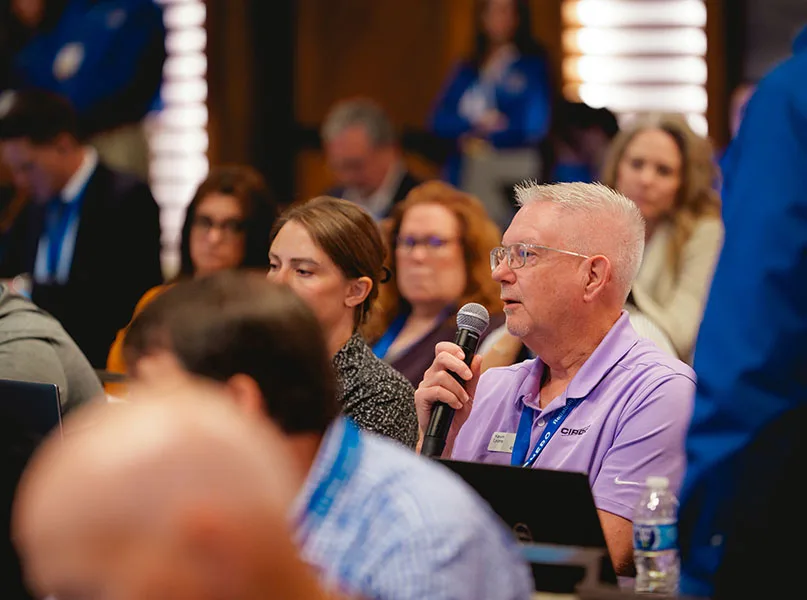
How does each of MRO’s organizational groups help identify risks to the security of the bulk power system?
SP: The work MRO undertakes to address risk leverages the experience and knowledge of industry experts who serve in our organizational groups.
These experts contribute their insights and technical skills to help identify current and emerging risks, develop mitigation strategies, address planning and resource adequacy issues, focus on critical cyber and physical security threats, and share information and best practices with industry participants across the region.
MRO has three advisory councils – the Compliance Monitoring and Enforcement Program Advisory Council (CMEPAC), the Reliability Advisory Council (RAC), and the Security Advisory Council (SAC), who each have subgroups reporting to it.
Collectively, the councils and their subgroups are focused on helping industry stakeholders in the region become aware of and reduce the risks in their individual systems, thereby improving the entire network.
CMEPAC and its subgroup, the NERC Standards Review Forum (NSRF), focus on communicating compliance monitoring and enforcement topics, as well as the development, application, and retirement of NERC reliability standards.
RAC and its subgroup, the Protective Relay Subgroup, focus on addressing operational challenges related to transmission adequacy and availability, resource adequacy, the integration of renewables, and essential reliability services. These groups also assist with reviewing power system events, reliability assessments, and related outreach.
SAC and its subgroup, the SAC Threat Forum, focus on raising awareness of emerging security threats and vulnerabilities to power grid operations, specifically sharing information related to cyber, physical, and operational security – including substation and generation control systems.
ollectively, these advisory councils contribute to much of MRO’s outreach and engagement efforts. For example, MRO held a Reliability, Security, and CMEPAC Summit between May 20th and 21st this year in Oklahoma City, where there were plenary sessions each morning for all attendees with specific breakout tracks in the afternoon focused on information shared by each advisory council.
These councils collected information on topics of interest from MRO stakeholders before developing the content for the breakout tracks.
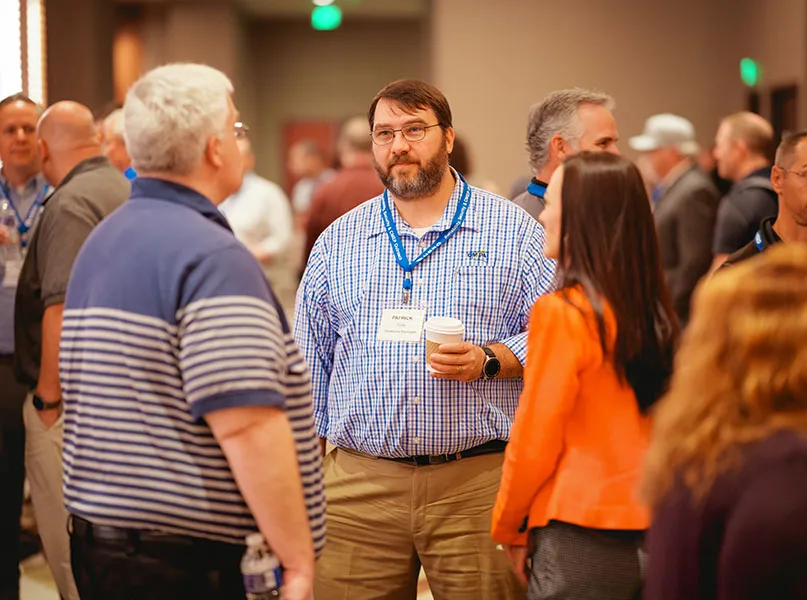
How does MRO create a vital link between the grid’s stakeholders and an open forum of discussion for its member organizations?
SP: MRO, the ERO Enterprise, and the electricity industry sit squarely in the middle of a profound and rapid transformation toward a decarbonized future. Risks associated with this transition are interdependent, spanning multiple companies, sectors, regions, and industries.
Extensive discussions are underway across various local, regional, national, and international stakeholder groups regarding the key drivers and associated challenges of this change. Our unique regulatory model enables us to facilitate these discussions with numerous stakeholders in the region.
For instance, the NSRF holds a weekly call to discuss new, pending, or revised reliability standards and requirements with regional constituents. Regional feedback is collected and provided to the NERC teams who draft new standards, offering a regional perspective during the continent-wide standards development process.
Another instance is the SAC Threat Forum, which convenes security experts from across the region to discuss new and emerging cyber and physical security threats to the grid. This activity occurs outside of MRO’s compliance program and in a closed forum to ensure the free exchange
of information.
The events we host also offer an opportunity for regional stakeholders to connect and engage, sharing information and best practices to enhance the reliability, security, and resilience of the bulk power system.
There is no registration fee to attend these sessions for our members and industry stakeholders.
What about your HEROs®? How do they help reduce risks to the grid?
SP: HEROs® are companies that work diligently to ensure we don’t experience uncontrolled cascading outages on the power grid, such as another 2003 blackout.
MRO uses the theory and principles of high reliability organizations (HROs) as a framework for promoting the reliable operations of the power grid in the states and provinces within our purview.
The concept of HROs emerged from observing organizations like air traffic control, nuclear power plants, and aircraft carriers, which operate in environments where errors could lead to catastrophic consequences. Yet, they consistently achieve high levels of safety and reliability.
Over time, HRO theories and principles have evolved to provide guidance for modern safety program design and are foundational to many industries seeking high reliability in critical functions.
The five HRO principles are:
- • Preoccupation with failure – Attention to close calls and near misses; focus on learning from failure.
- • Reluctance to simplify interpretations – Solid root cause analysis.
- • Sensitivity to operations – Carefully designed change management processes.
- • Commitment to resilience – Resources continually devoted to corrective action plans and training.
- • Deference to expertise – Listen to your experts on the front lines; authority follows expertise.
We encourage utility companies in the region to be HEROs® by practicing these five principles and striving for operational excellence.
Are there any recent projects that you feel are important to highlight?
SP: As more intermittent renewable resources, such as wind and solar, are added to the North American power grid, the ability to transfer power across different regions has become a vital component of system reliability.
In 2024, MRO partnered with the ERO Enterprise, the industry, and other key stakeholders to complete a congressionally mandated interregional transfer capability study.
The purpose of the study was to determine the maximum amount of electric power that can be reliably transferred between different regions in the US and offer recommendations for increasing capacity to strengthen grid reliability.
The study’s second phase, which assessed transfer capability between the US and Canadian provinces, was completed in April this year. Analyzing transmission capacity will become part of the ERO Enterprise reliability assessments moving forward.
The ERO Enterprise also raised concerns about the need for cold weather standards after two extreme events – Winter Storm Uri in 2021 and Winter Storm Elliott in 2022 – severely stressed the grid.
Joint reports from FERC and the ERO Enterprise, issued after these storms, offered recommendations to the industry to protect utility infrastructure and improve resilience to cold weather.
The ERO Enterprise then implemented a focused strategy to improve cold weather preparedness among North American generator owners and operators. This effort led to the implementation of mandatory cold weather standards and improved coordination between the electric and natural gas sectors.
For our MRO region specifically, we developed a Generator Winterization Program that actively promotes cold weather reliability by sharing best practices and offering actionable recommendations to minimize weather-related risks.
A challenge we are actively addressing with the industry is the rapidly increasing integration of inverter-based resources (IBRs) like solar, wind, and battery storage into the bulk power system.
These resources behave very differently from traditional power plants, and recent system outages have shown that if IBRs aren’t modelled, configured, or operated correctly, they can significantly impact grid stability. Solving this problem is a collaborative effort involving FERC, NERC, regional entities, and the industry.
We’re conducting extensive outreach to raise awareness, revising and adding new mandatory standards to provide a baseline of protection against IBR risks, and registering new IBR generator owners and operators who previously weren’t required to follow mandatory standards.
In your opinion, what role does sustainability and tackling the climate crisis play in the operational success of North America’s bulk power system?
SP: Extreme weather remains one of the most significant threats to the reliability of North America’s bulk power system. Not only does it impact the performance and availability of electricity resources, but its increasing prevalence demands enhanced grid resilience. The need to address the climate crisis is both urgentand complex.
Across the MRO footprint, more than 28 million individuals depend on a reliable electric grid, which underpins our economy and way of life. As such, it is essential that we prioritize grid reliability in tandem with efforts to transition towards low and zero-carbon energy sources.
This urgency is heightened by the swift rise in electricity demand; therefore, a comprehensive, ‘all-in’ resource strategy is required for North America to appropriately tackle this challenge.
We are confident that the decarbonization of the energy sector can happen reliably and securely through collaborative stakeholder engagement and the thoughtful consideration of all resource options.
We must work together to ensure the pace of change does not overtake the reliability needs of the system.
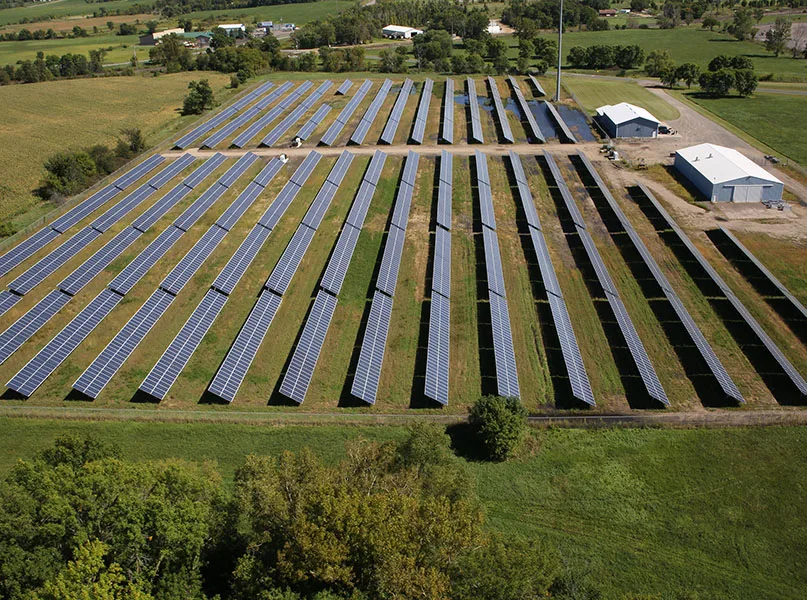
How does MRO work to reduce its environmental footprint?
SP: Despite being a small company of 80+ employees, MRO actively works to reduce its environmental footprint through a dedicated employee Sustainability Committee.
This committee has implemented various improvements including reducing paper, ink, and plastic bottle use, increasing recycling and compost awareness, switching to compostable dinnerware within the office, and promoting battery and office equipment recycling, alongside other community-focused sustainability efforts.
We have also maintained a hybrid work environment as part of MRO’s People-First Philosophy, which was implemented during the COVID-19 pandemic.
Working part-time in the office not only provides flexibility for our staff but reduces commuting trips to the office.
Could you describe MRO corporate social responsibility practices and how they contribute to the company’s success?
SP: One of MRO’s greatest strengths lies in its remarkable diversity, which is essential for confronting the many challenges facing the electric sector.
Our expansive footprint spans the colder northern climates of Canada down to the hotter, more temperate regions of the US, including parts of Texas.
This geographic diversity is mirrored in our energy resources and infrastructure, encompassing a broad mix of electrical generation and transmission profiles.
We also work with a wide array of stakeholders, including municipalities, cooperatives, investor-owned utilities, and generator power marketers, all contributing to a reliable and secure regional power grid.
This strategy embraces diverse resources, perspectives, and operational models and is crucial for advancing our mission.
Diversity further extends to our team. We are fortunate to draw from the exceptional talent in Minneapolis and Saint Paul, home to numerous colleges and universities specializing in electrical engineering and bulk power system technologies, alongside innovative companies serving our industry.
MRO actively embraces this diversity in our hiring and operational practices, recognizing that a wide range of perspectives and expertise is vital for navigating the complex and evolving energy landscape.
During the pandemic, we put our People-First Philosophy into action by significantly expanding our employee benefits. It was a strategic move that proved crucial for attracting and retaining a knowledgeable and engaged workforce, serving us exceptionally well through a time of immense change.
This approach also earned us a top Minneapolis and Saint Paul workplace award two years running. Beyond benefits, we empower our staff through employee-led committees to actively drive societal initiatives that positively impact the communities we work and live in.
Lastly, what are your key priorities for the coming year?
SP: The MRO Board of Directors recently approved our new strategic plan for 2025 to 2028. This plan highlights three core strategic priorities:
- People – Ensure MRO remains an innovative, resilient, and high-performing organization with requisite expertise and leadership to navigate the challenges and opportunities of a rapidly transforming grid.
- Processes – Implement high standards of operational excellence in everything we do, emphasizing effectiveness and efficiency to deliver utmost value to our stakeholders.
- Partnerships – Foster an agile, adaptive, and collaborative relationship with internal and external stakeholders to effectively coordinate efforts to reduce risk and enhance reliability and security of the North American bulk power system.
Our strategic plan closely aligns with the broader ERO Enterprise Long-Term Strategy, which focuses on the critical risk areas of energy, security, engagement and agility and sustainability.
To help us execute our strategic plan, MRO launched new core values this year – connection, curiosity, commitment, and competency, which will guide our daily actions and organizational culture. Our future is bright.