



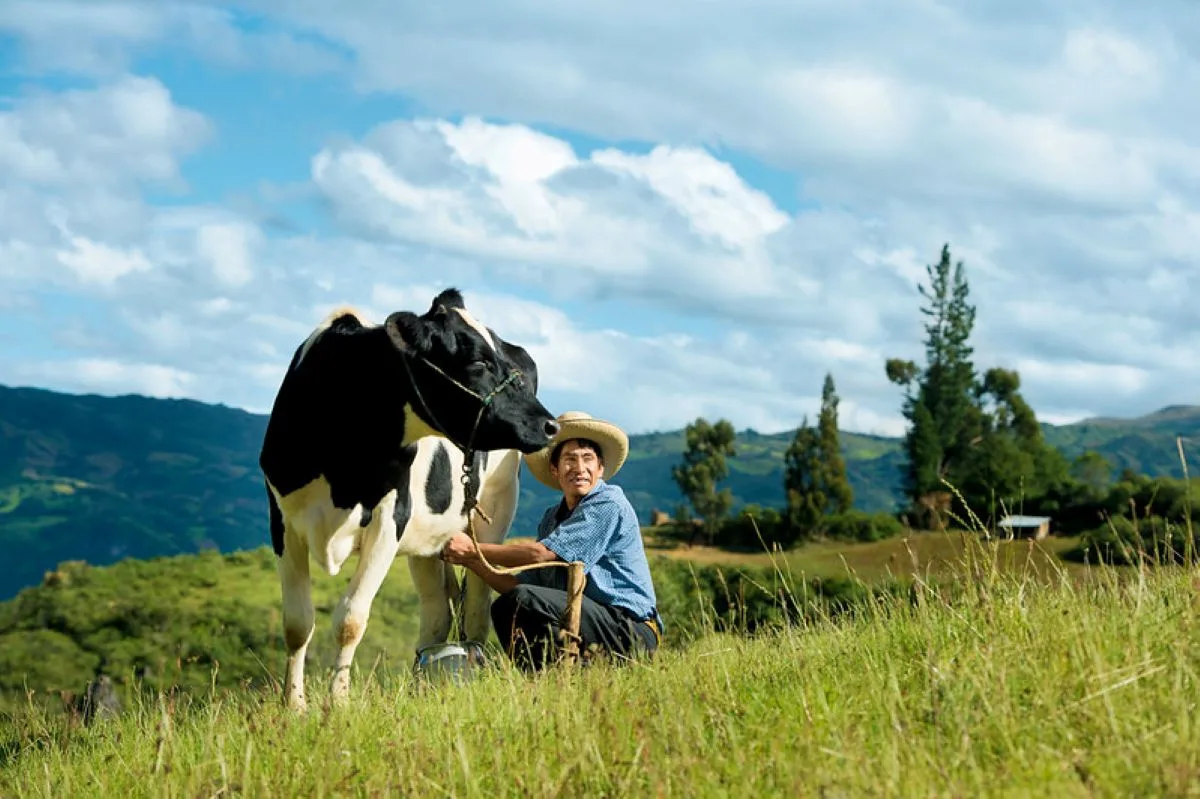
According to its latest Nescafé Plan 2030 Progress Report, the company obtained the majority of its green coffee from farmers adopting regenerative agriculture practices through Nescafé’s field programs.
PRIORITIZING REGENERATIVE AGRICULTURE
The recently released Nescafé Plan 2030 Progress Report details the company’s targets for the next four years, which prioritizes regenerative agriculture to enhance farming practices and coffee supply resilience, which will benefit farmers and farmland ecosystems for a sustainable future.
In the 2025 progress report, Nescafé sourced approximately 53 percent of its green coffee from farmers adopting regenerative farming practices, and over 100,000 coffee farmers in 15 countries received training on these practices, alongside farming economics and social topics. This training was provided by more than 1,600 Nescafé Plan agronomists and field staff.
Additionally, the company adjusted its procurement approach to source more coffee from farmers utilizing these regenerative practices.

“With more than half of our green coffee sourced from farmers adopting regenerative agriculture practices in 2025, Nescafé has reached a major milestone. This shows how we are working with farmers to scale regenerative agriculture across our coffee supply chain. We aim to support farmers in this transition, strengthen resilience to climate change, and help secure Nescafé’s long-term access to coffee, a key growth driver for the company,” notes Antje Shaw, Head of Sustainability for Nescafé.
To further help farmers scale their farming practices, the company is assisting them to renovate plots with new coffee varieties that are more resilient to climate change and disease. It is well-known that as coffee trees age, they become less productive and more vulnerable to climate change. Therefore, Nescafé distributed 20.3 million coffee plantlets to farmers in 2025.
BUILDING A MORE RESILIENT COFFEE SUPPLY CHAIN
The Nescafé Plan 2030 emphasizes practices including agroforestry, cover crops, and optimized fertilization to help improve soil health and support long-term yields. In the 2025 progress report, Nescafé reported an 18.3 percent reduction in greenhouse gas (GHG) emissions from its green coffee compared to 2018.
Additionally, 94.3 percent of Nescafé coffee was responsibly sourced, meaning that the company’s green coffee lots were traced to identified groups of farmers and independently certified or verified as being produced in alignment with its responsible sourcing requirements.
Looking beyond the company’s farming initiatives, the report also highlights Nescafé’s work toward strengthening human rights in coffee-growing communities via due diligence, supplier capability building, and partnerships to expand impact on the ground.
A prime example of Nescafé’s efforts is the Nescafé Plan Child Protection Framework that the company co-developed with Terre des Hommes to strengthen child protection systems in coffee supply chains.

Roy Tjan, Child Rights and Business Global Advisor at Terre des Hommes, states, “We believe in supporting systems that protect children today and help secure better opportunities for the future. Our partnership with Nescafé reinforces this belief by integrating the company’s child protection efforts on the ground with the community and public state systems already in place.
Through Nescafé’s integrated approach, the company is actively working toward building a more resilient coffee supply chain for the future.
This article was produced by the editorial team at North America Outlook and published as part of the Outlook Publishing global network of B2B industry magazines.
Outlook Publishing delivers industry insights, company stories, and sector coverage across manufacturing, mining, construction, healthcare, supply chains, food production, and sustainability.
North America Outlook provides ongoing coverage of organisations and developments shaping industries across North America.