




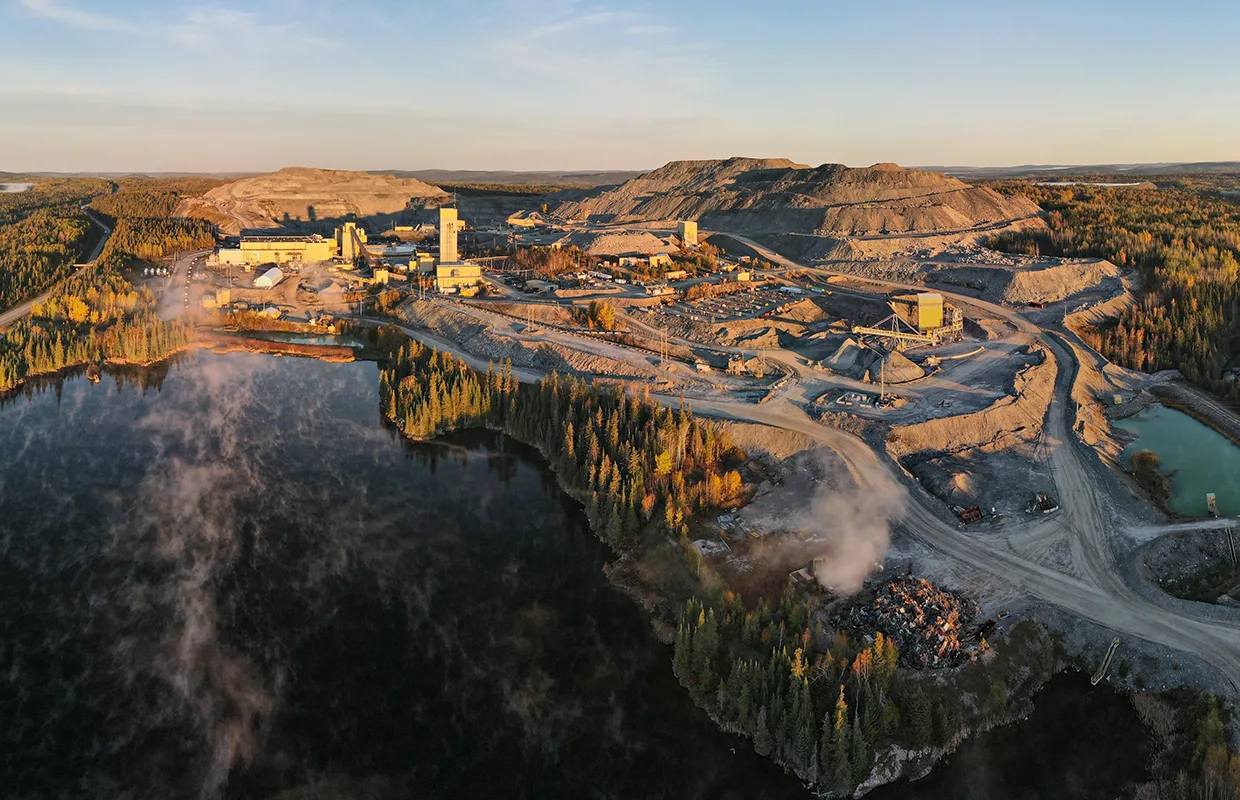
Building on a storied legacy, Hemlo Mining Corp. operates one of Canada’s notable gold assets in Marathon, Ontario, driven by investment, exploration, and a people-first approach.
FORGED IN GROWTH AND GOLD
As it navigates ongoing activity, North America’s gold mining industry is responding to shifting economic conditions, emerging technologies, and growing expectations around environmental responsibility.
Across key regions such as Ontario (ON), Canada, long-established mining districts operate by way of modern exploration techniques and increasingly efficient extraction methods.
Amid ongoing global uncertainty, gold remains a significant commodity in the sector.
This has prompted a level of mining investment activity, with key operators seeking to maximize output from existing assets while advancing new projects.
At the same time, a number of the continent’s more mature mines are approaching the latter stages of their lifecycles, creating a requirement for ongoing exploration and infrastructure development.
In response, many companies are increasingly targeting resource expansion opportunities in proven regions where geological understanding and established infrastructure offer an operational base.
Elsewhere, the integration of advanced technologies – including artificial intelligence (AI), automation, data analytics, and digital monitoring systems – is enhancing efficiency and improving decision-making across the mining lifecycle.
The scene is also undergoing a broader transformation driven by heightened environmental expectations and regulatory oversight. From emissions reduction initiatives to more responsible land management practices, mining companies are aligning production with sustainability goals while maintaining operational performance.
As North America’s gold sector operates within a changing environment, it continues to adapt.
SIGNIFICANT OPERATION
Hemlo Mining Corp. (Hemlo) is a Canadian mining producer built on one of the country’s most iconic gold camps.
Formerly known as Carcetti Capital Corp., Hemlo was recently established in 2025 to operate the Hemlo Gold Mine in Northwest OT, acquiring the site from Barrick Mining Corporation (Barrick).
The acquisition was a highly competitive process, however Hemlo’s strong technical team and institutional backing enabled it to secure the acquisition.
Hemlo had exceptionally strong support to finance what was ultimately a USD$1 billion transaction and was fortunate for the outcome to fall in its favor.
The deal was underpinned by Hemlo’s long-term view and expertise in the gold market, particularly given the opportunity created by the divergence between spot prices and long-term forecasts.
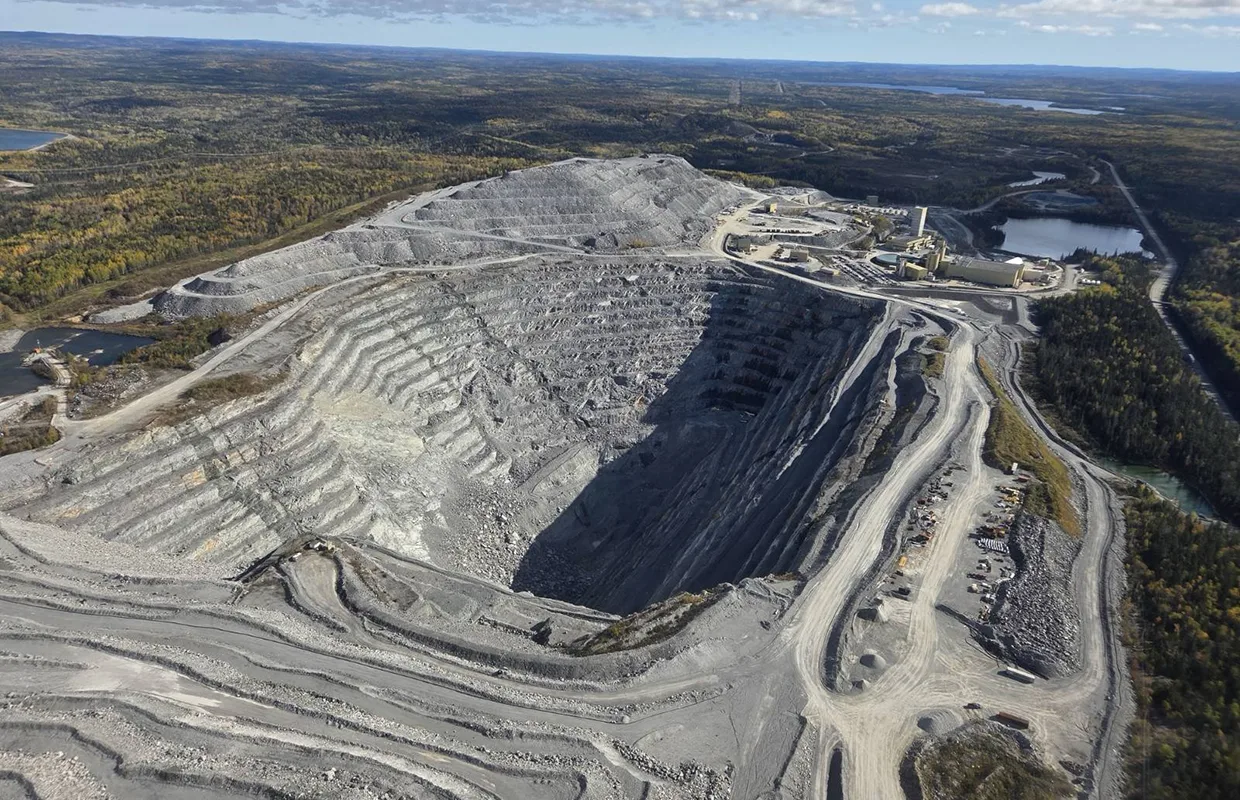
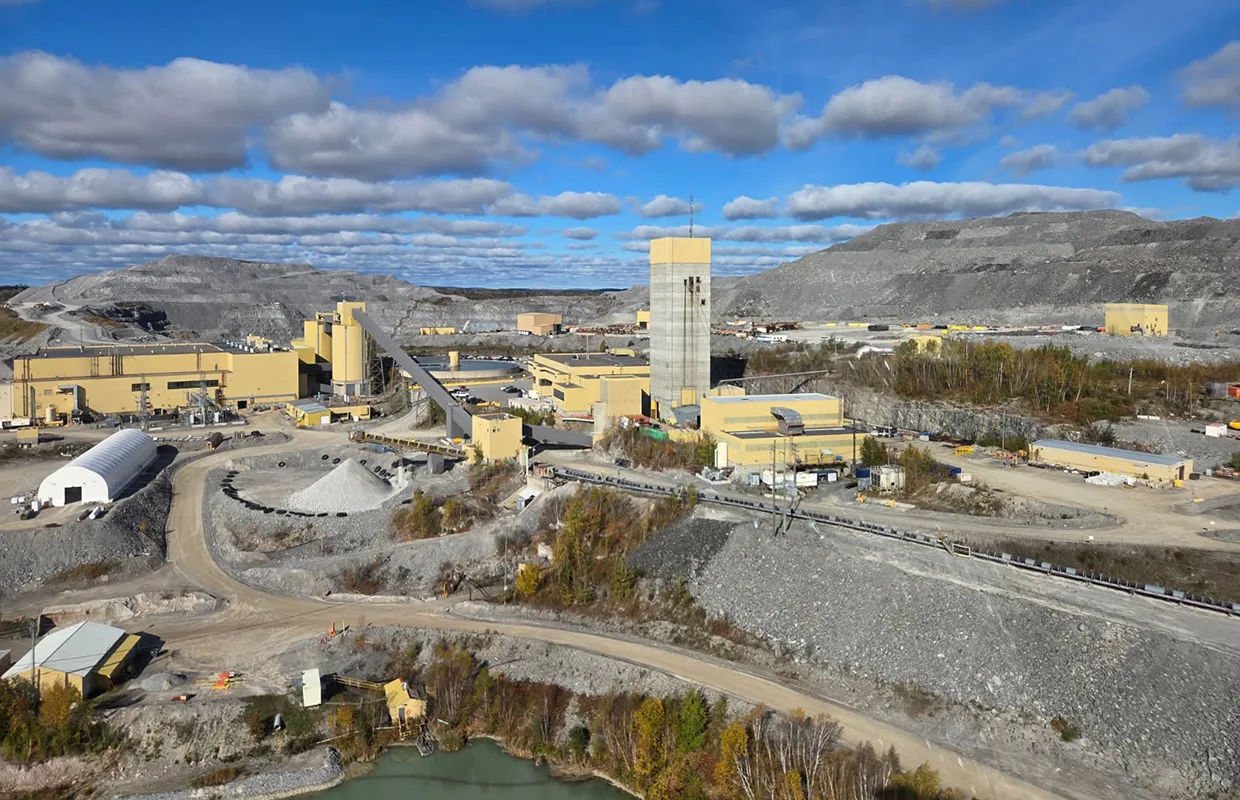
A piece of Canadian mining history, the Hemlo Gold Mine has been in production for over 40 years, having produced over 25 million ounces (oz) of gold during its lifetime.
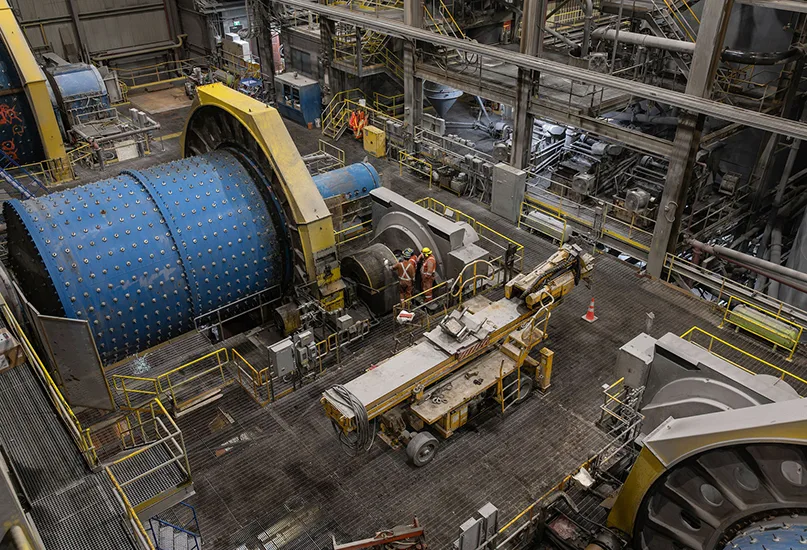
Today, two key pieces of infrastructure are operating well below capacity, creating a significant opportunity for the company. The mill is running at about 40 percent capacity and the hoist at around 60 percent.
In terms of its production profile, Hemlo hasn’t released formal guidance yet – however, the company did publish its NI 43-101 Technical Report late last year, which provides some insight regarding potential future production and growth profiles.
CONSIDERABLE FLEXIBILITY
The company believes the Hemlo Gold Mine offers significant expansion potential, with cut-off grade adjustments to optimize extraction.
In many deposits, adjusting the cut-off grade results in margin compression, whereas Hemlo is in a position where that impact is far less pronounced, creating a potential opportunity for increased tonnage and the potential to reduce unit costs through economies of scale.
While some operators have shifted their focus away from Canada in recent years, the company remains confident in its prospects. Indeed, the country is still a top-tier mining jurisdiction, and Hemlo is proud to be part of it.
However, one of the industry’s most pressing challenges is a widespread shortage of skilled professionals.
A lack of people and talent is significantly impacting the sector, with significant attrition across the board – from miners and geologists to engineers and finance professionals, even within government.
This talent gap also affects regulatory processes, particularly at the provincial level, where reduced capacity makes it difficult to accelerate permitting timelines.
At the same time, there is a broader structural imbalance within the global mining value chain when it comes to outsourcing minerals refinement and processing.
Much of the refining capacity still sits in Eastern markets, which is not something that can be fixed overnight.
OWNER-OPERATOR MODEL
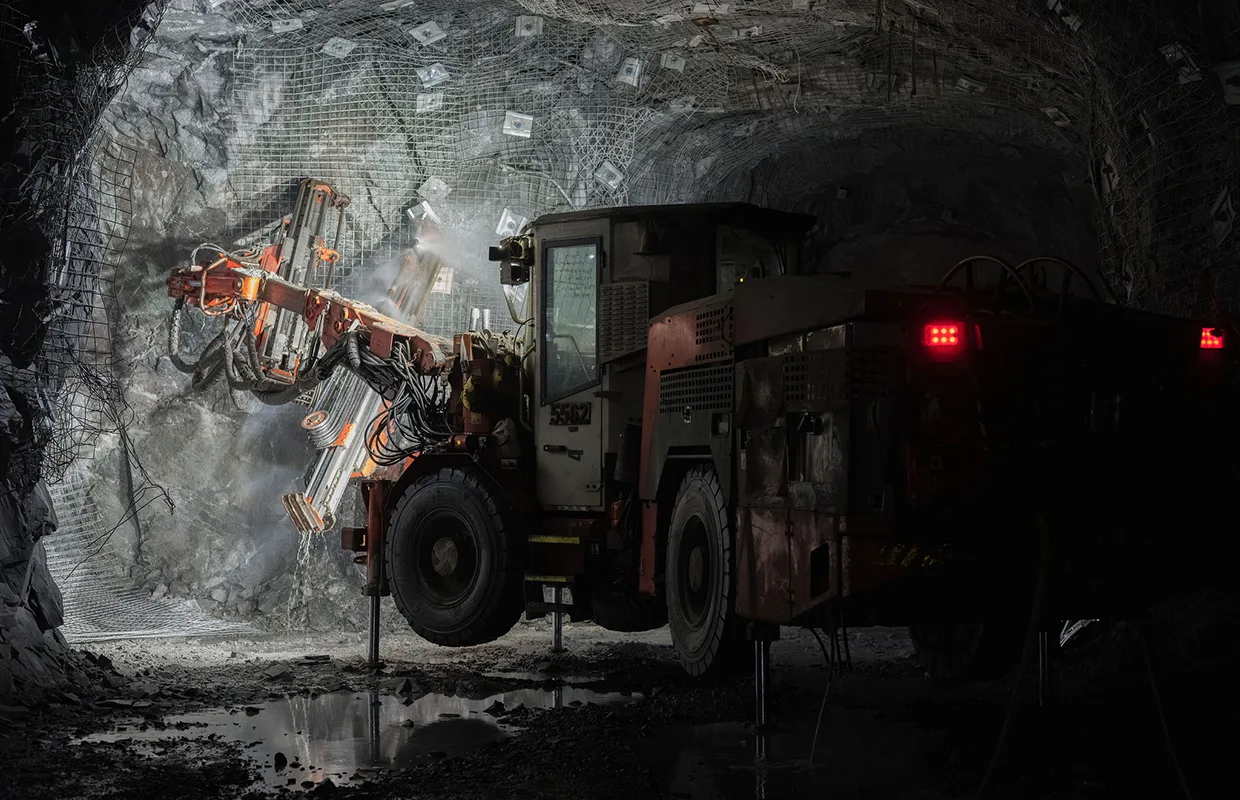
Hemlo recently transitioned to owner-operator of the mine, overseeing a workforce of approximately 700.
The company primarily tries to hire within local communities, collaborating with First Nations partners in the towns of White River, Manitouwadge, and Marathon.
Its transition to an owner-operator model was a move designed to strengthen both its operational control and community engagement.
Historically, many workers moved away from the region due to the prevalence of contractor-based roles – Hemlo is seeking to reverse that trend.
People want stability – pensions, benefits, and the ability to go home to their families every night, rather than staying in camps.
Re-establishing these kinds of connections is fundamental to enabling a healthy work-life balance for the company’s employees. For Hemlo, it’s all about being a strong member of the community.
The mine’s historic legacy is a defining element of Hemlo’s identity.
To unlock its potential, Hemlo is committing substantial investment into the asset. Details surrounding its future investment plans will be released as part of its formal guidance later this year.
LONG-TERM SUSTAINABILITY
Alongside exploration, the company is investing in its workforce, mining fleet, and processing infrastructure.
In this sense, the Hemlo Gold Mine is not just a standalone asset, but a platform for broader growth.
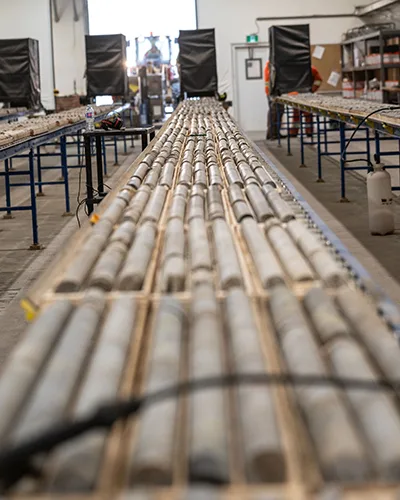
A cornerstone of Hemlo’s growth strategy is its extensive 130,000-meter (m) exploration drilling program for 2026 – one of the largest of its kind in Canada.
The program is divided into three key components, each designed to support both short-term performance and long-term expansion.
These components include resource conversion drilling to a depth of 70,000 m, a 30,000 m high-definition drilling stage focused on derisking the short-term mine plan, and a 30,000 m growth drilling stage to test new mineralized zones outside the current mineral resource footprint.
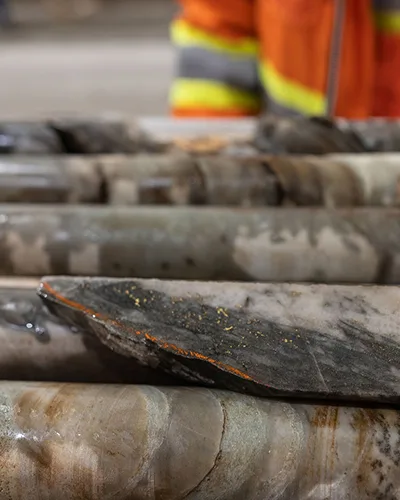
The 2026 resource conversion drilling program targets inferred mineral resources and unclassified material to upgrade it to the indicated mineral resource category and extend current mine life.
The high-definition drilling program refers to the tighter drill spacing routinely applied at the Hemlo Gold Mine prior to mining, while the growth drilling program is designed to test expanded mineralized footprints identified through sporadic historical drilling and localized past mining areas.
UNLOCKING VALUABLE GROWTH
A revised geological understanding of the deposit is key. For many years, the deposit was mischaracterized – It’s actually a Precambrian porphyry or intrusion-related system, which has important implications for how mineralization is distributed.
As the system formed, mineralized fluids moved upward, precipitating at multiple contact points.
What makes the deposit particularly unique is the fact it has undergone two deformation events, effectively folding the mineralization over itself. The mineralization existed before this deformation.
Historically, mining operations focused on the main contact zones, which were economically viable at much lower gold prices. However, today’s pricing environment opens up additional opportunities.
There are zones in both the hanging wall and footwall that are located near existing infrastructure.
NEW MINERALISED STRUCTURES
In May this year, Hemlo announced results from its 130,000 m 2026 drilling program regarding the South-Rim Zone (South-Rim) which support the definition of a newly recognized, high-grade mineralization domain.
Identified as one of four priority growth targets in Hemlo’s January 2026 announcement, South-Rim forms part of the company’s growth component.
Initially intersected during previous drilling campaigns, the company’s ongoing reinterpretation of South-Rim suggests multiple mineralized horizons within the metasediments may remain.
Multiple discrete, sub-parallel lenses of 1 to 2 m in width have exhibited moderate-to-strong silicification and carbonate alteration, hosting high-grade ore shoots that display plunge orientations identical to those of the C-Zone or E-Zone ore bodies.
The newly defined structure demonstrates how high-grade shoots within South-Rim are not isolated anomalies, but rather a coherent system of plunge-controlled lenses.
Hemlo’s geology team recently completed a comprehensive reinterpretation of all available drill data, recognizing for the first time that these discrete intersections are part of a single, plunge-controlled mineralized structure extending over more than 1.5 kilometers vertically and within an approximately 300-m-wide east-west corridor.
While individual lenses in the C-Zone remain spatially separated, they share consistent grade characteristics and structural affinity, confirming their common genetic origin.
The ongoing growth drilling campaign is designed to validate this new interpretation, infill data gaps within the upper portion of the South-Rim structure and test the lateral and down-plunge extents of the system.
With intercepts at South-Rim now announced, Hemlo’s exploration strategy turns eastward toward several other zones, where historical mining intersections within equivalent South-Rim horizons returned results that remain largely untested by drilling.
LONG-STANDING COLLABORATIONS
Beyond geology and operations, Hemlo places strong emphasis on its relationships with local suppliers and surrounding communities.
Long-standing collaborations, such as with Manroc Developments – who has supported operations in the region for nearly three decades – remain central to the company’s approach.
It’s important to maintain those relationships as they play a key role in Hemlo’s development activities.
At the same time, Hemlo works with First Nations partners to support economic development and establish long-term, sustainable business opportunities.
This commitment extends to the nearby town of Marathon, where the company engages a range of local suppliers for operational and safety services.
For Hemlo, it’s about ensuring that the benefits of the mine are felt across the entire region.
Equally, sustainability and environmental responsibility also form a core part of its operating philosophy.
The company adheres to a range of environmental standards and reporting frameworks while also going beyond baseline requirements.
Hemlo complies with multiple environmental and sustainability initiatives, publishes annual reports, and conducts quarterly audits in collaboration with its First Nations partners.
This level of engagement ensures transparency and accountability among members of the community.
PEOPLE-CENTRIC APPROACH
Looking ahead, Hemlo has set out a clear roadmap of corporate and operational milestones.
From a market perspective, the company has been listed on the Toronto Stock Exchange (TSX) by the TSX Venture Exchange since June, ahead of a further listing on a major US exchange.
In parallel, Hemlo is aiming for inclusion in key mining indices, alongside the release of an updated resource estimate as part of internal technical and administrative work.
The company is completing all the groundwork this year, from geotechnical and ventilation studies to material handling and mine sequencing.
Operationally, the focus remains on stabilizing the site and gradually increasing production rates.
Production and financial targets aside, Hemlo’s people-centric approach is what truly sets the company apart.
One of the most unique aspects of the business is how integrated its leadership team is with the site.
Senior executives spend significant time on-site each month, working closely with operational teams.
With a young and ambitious workforce, Hemlo is focused on cultivating the next generation of industry leaders.
This emphasis on mentorship and development is a key component of both the company’s culture and long-term vision, particularly as it navigates an increasingly competitive labor market.
HEMLO MINING CORP. PARTNER

This company profile was produced by the editorial team at North America Outlook, a publication within the Outlook Publishing global network of B2B industry magazines.
Outlook Publishing showcases organisations and leadership teams shaping sectors including manufacturing, mining, construction, healthcare, supply chains, food production, and sustainability.
North America Outlook highlights organisations driving innovation and industry leadership across North America.