Neil Perry is Content Director for Outlook Publishing.
- Content Director
Share
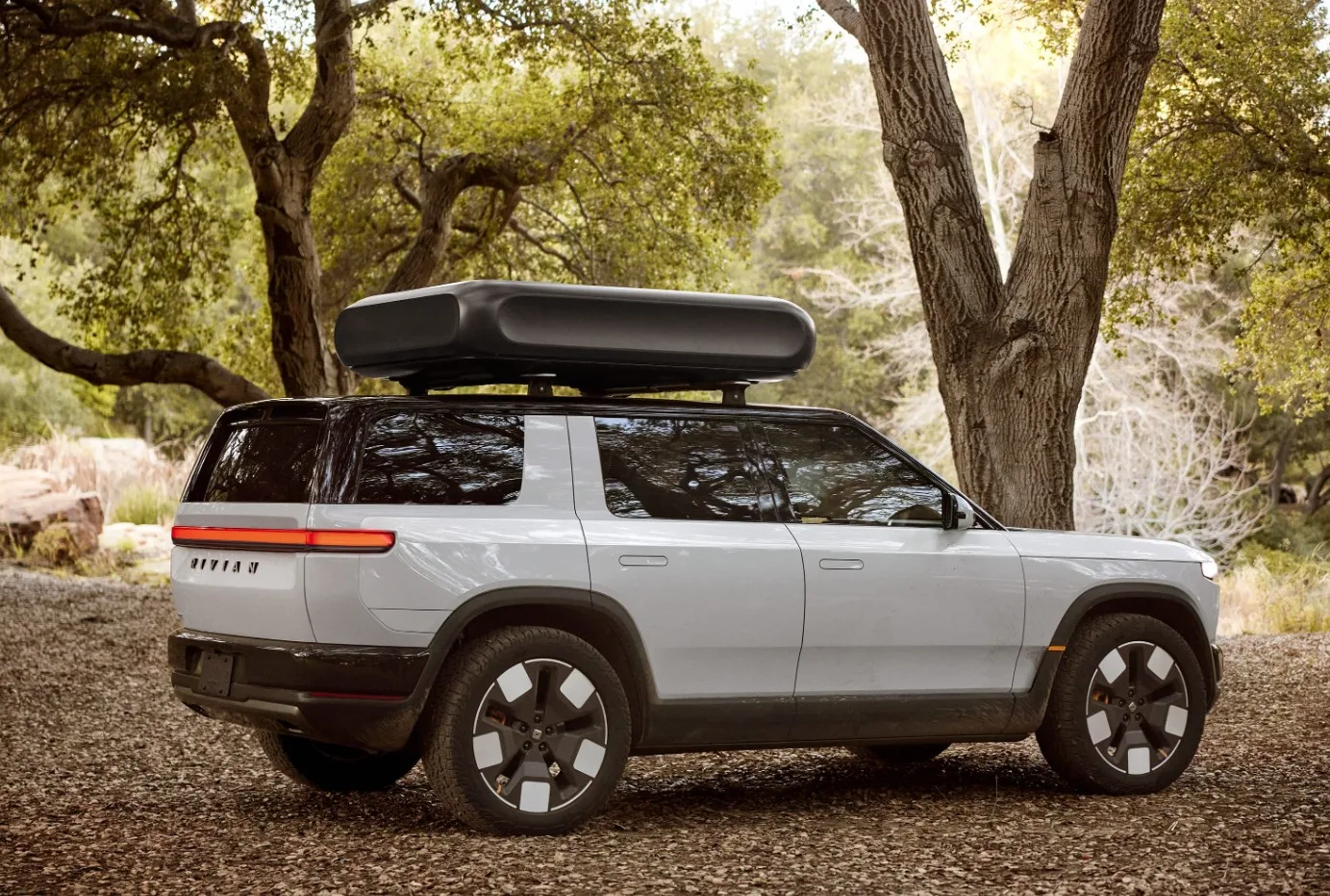
Rivian is increasing planned production capacity at its Georgia facility by 50%, aiming to lower unit costs, strengthen U.S. manufacturing capabilities, and support large-scale EV and autonomous vehicle production.
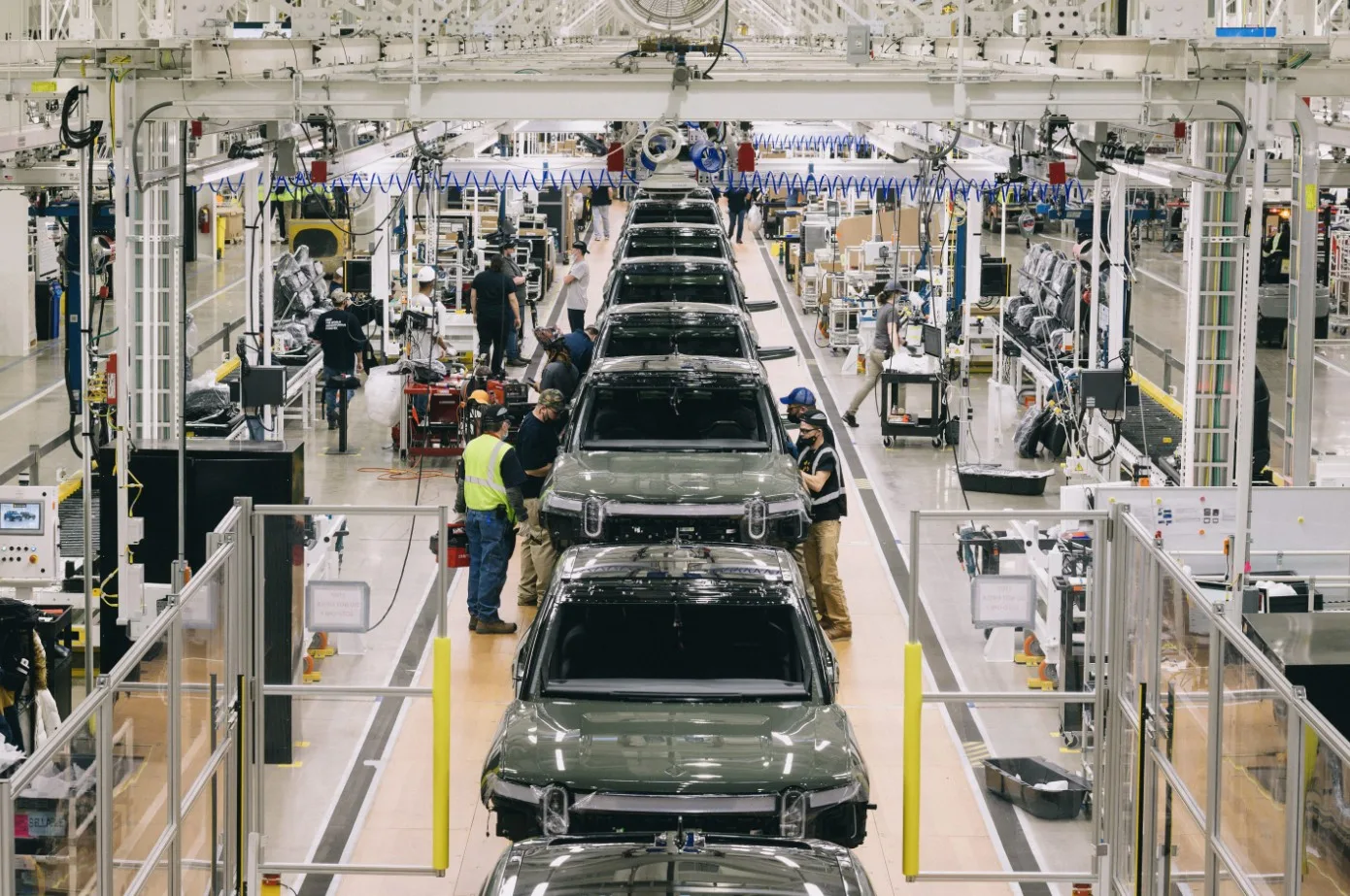
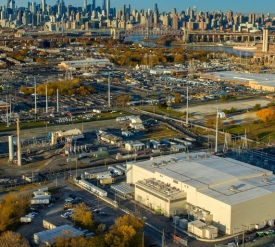
Rivian has announced a significant increase in planned production capacity at its new manufacturing facility in Stanton Springs North, raising output to 300,000 vehicles annually in its first phase.
The 50% increase over the original 200,000-unit plan is aimed at improving cost efficiency through higher production volumes, while also creating additional headroom for future expansion as demand grows.
Key Developments
Phase one capacity increased from 200,000 to 300,000 vehicles annually
Expansion designed to improve cost efficiency and enable future scaling
Up to $4.5 billion loan aligned with updated facility roadmap
Construction progressing toward vertical build phase in 2026
Production targeted to begin in late 2028, including up to 50,000 robotaxis
Scaling U.S. Manufacturing Capacity for Next-Gen Vehicles
“We’re very excited to partner with the U.S. Department of Energy to grow our manufacturing footprint in Georgia,” said Rivian Founder and CEO RJ Scaringe.
“R2 dramatically expands our market opportunity. The thousands of dedicated people who will soon work in our Georgia plant will be instrumental to Rivian’s growth as we scale American manufacturing and work to ensure that the U.S. retains its leadership in innovation and technology.”
Rivian Founder and CEO RJ Scaringe
Manufacturing Efficiency and Cost Optimization at Scale
For manufacturing leaders, the capacity increase highlights a core industry trend: scaling production early in facility design to drive down cost per unit.
By increasing throughput in phase one, Rivian is positioning the plant to:
Achieve greater economies of scale
Optimize capital-intensive assets such as stamping operations
Improve long-term production flexibility and utilization
The development of the stamping press area—one of the most technically demanding parts of the facility—is already underway, signaling a focus on core manufacturing capabilities that define automotive cost structures.
Investment, Construction Timeline and Industrial Footprint
Rivian is working with the U.S. Department of Energy to support the project through a loan of up to $4.5 billion, aligned with the updated plant design and production roadmap.
Key milestones include:
Vertical construction beginning in 2026
Initial loan draw expected in early 2027
Start of production targeted for late 2028
The facility is expected to support thousands of manufacturing and construction jobs, reinforcing domestic industrial capacity.
Supporting EV and Autonomous Vehicle Production
Beyond traditional EV manufacturing, the Georgia plant is also expected to play a role in next-generation mobility. Rivian has announced plans to produce up to 50,000 robotaxis at the site starting in 2028 through its partnership with Uber.
This article was produced by the editorial team at North America Outlook and published as part of the Outlook Publishing global network of B2B industry magazines.
Outlook Publishing delivers industry insights, company stories, and sector coverage across manufacturing, mining, construction, healthcare, supply chains, food production, and sustainability.
North America Outlook provides ongoing coverage of organisations and developments shaping industries across North America.