



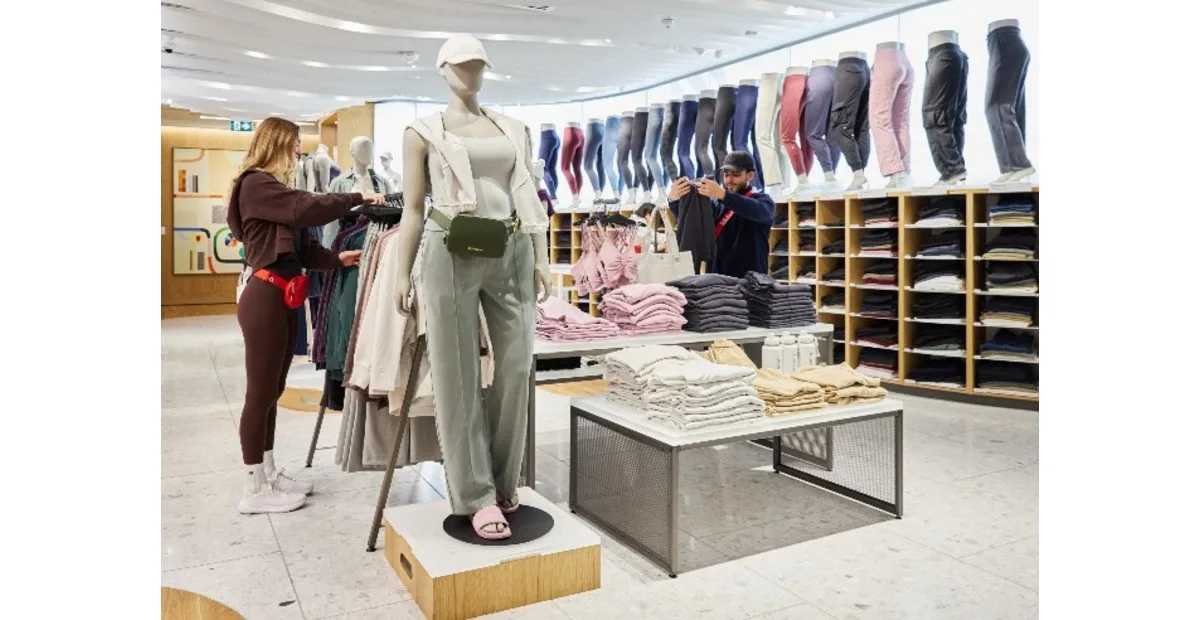
lululemon is investing in a renewable energy fund focused on China to help achieve the equivalent of 100% renewable electricity across its supplier network by 2030, highlighting how new financing models could accelerate supply chain decarbonization in key manufacturing regions.
- lululemon explores a new model for supply chain decarbonization
- Targeting renewable electricity where supply chain emissions occur
- Why supply chain emissions remain the biggest challenge
- Supporting progress toward 2030 climate goals
- Moving beyond individual action toward collective solutions
- Renewable energy finance evolves
lululemon explores a new model for supply chain decarbonization
As companies confront the challenge of reducing emissions beyond their direct operations, many are discovering that traditional renewable energy procurement models are not always suited to complex global supply chains.
lululemon is seeking to address that challenge through a new approach: investing directly in renewable energy infrastructure designed to benefit its manufacturing ecosystem.
The apparel company announced it is investing in a renewable energy fund managed by Schroders Capital’s Infrastructure team to support the development of new wind and solar capacity in China. The initiative aims to accelerate the transition to renewable electricity across one of lululemon’s most important sourcing markets while advancing an investment model that could offer a blueprint for other businesses grappling with Scope 3 emissions.
Targeting renewable electricity where supply chain emissions occur
The fund focuses on renewable infrastructure projects in late-stage development and construction across China, prioritising wind and solar assets.
According to lululemon, participation in the fund will enable the company to achieve the equivalent of 100% renewable electricity in collaboration with its suppliers in China Mainland, based on projected electricity use in 2030.
Capital from the fund has already been deployed into multiple wind projects currently under development and expected to be completed later this year.
Rather than relying solely on suppliers to independently secure renewable energy contracts, the model pools demand and directs investment toward expanding renewable generation capacity in manufacturing regions.
Why supply chain emissions remain the biggest challenge
For many consumer brands, the majority of their climate impact sits outside their own operations.
These indirect emissions—known as Scope 3 emissions—often stem from purchased goods and services, manufacturing activities and transportation across global value chains.
Addressing them requires collaboration with suppliers operating across different regulatory environments, varying energy markets and diverse levels of renewable energy access.
“Decarbonizing global supply chains requires new ways of thinking—about capital, collaboration, and scale,” said Noel Kinder, Senior Vice President of Sustainability at lululemon.
“This fund demonstrates how companies can pool demand for renewable energy, reduce complexity, and accelerate project development. As we work toward our climate goals, this investment creates a scalable pathway to bring more renewable energy to manufacturing regions where it can have the greatest impact—while contributing to a model that others can build on.”

Supporting progress toward 2030 climate goals
Supply chain decarbonisation forms a central pillar of lululemon’s broader sustainability strategy and increasing renewable electricity use throughout its supply chain is a core component of its roadmap toward achieving its Scope 3 science-based target.
lululemon has committed to a 60% intensity reduction in greenhouse gas emissions by 2030 from a 2018 baseline, with the target measuring progress relative to business growth.
By directing investment into renewable energy infrastructure in China, the company aims to address emissions where they are generated rather than limiting efforts to its owned operations.
Moving beyond individual action toward collective solutions
The investment also reflects a growing recognition that supply chain decarbonisation cannot be achieved by companies acting alone.
Many manufacturing suppliers serve multiple brands simultaneously, meaning collaborative approaches can unlock greater scale and efficiency than fragmented initiatives.
lululemon positioned the fund as part of a wider ecosystem of partnerships intended to accelerate industry progress.
The investment builds on its existing work with organisations including:
- Apparel Impact Institute
- Asia Clean Energy Coalition
- CEBA’s Clean Energy Procurement Academy
Together, these initiatives are intended to support renewable energy adoption across shared supply chains while helping overcome barriers that individual suppliers may struggle to address independently.
Renewable energy finance evolves
The announcement also highlights the emergence of investment-led models as a complement to more established renewable procurement strategies.
While power purchase agreements and renewable energy certificates remain widely used, direct participation in investment vehicles offers companies another mechanism to influence energy systems in regions critical to their supply chains.
Schroders Greencoat, which advises the strategy, is among the world’s largest pure-play renewable energy and energy transition infrastructure managers, with active investment strategies spanning clean energy development and asset management.
This article was produced by the editorial team at North America Outlook and published as part of the Outlook Publishing global network of B2B industry magazines.
Outlook Publishing delivers industry insights, company stories, and sector coverage across manufacturing, mining, construction, healthcare, supply chains, food production, and sustainability.
North America Outlook provides ongoing coverage of organisations and developments shaping industries across North America.