




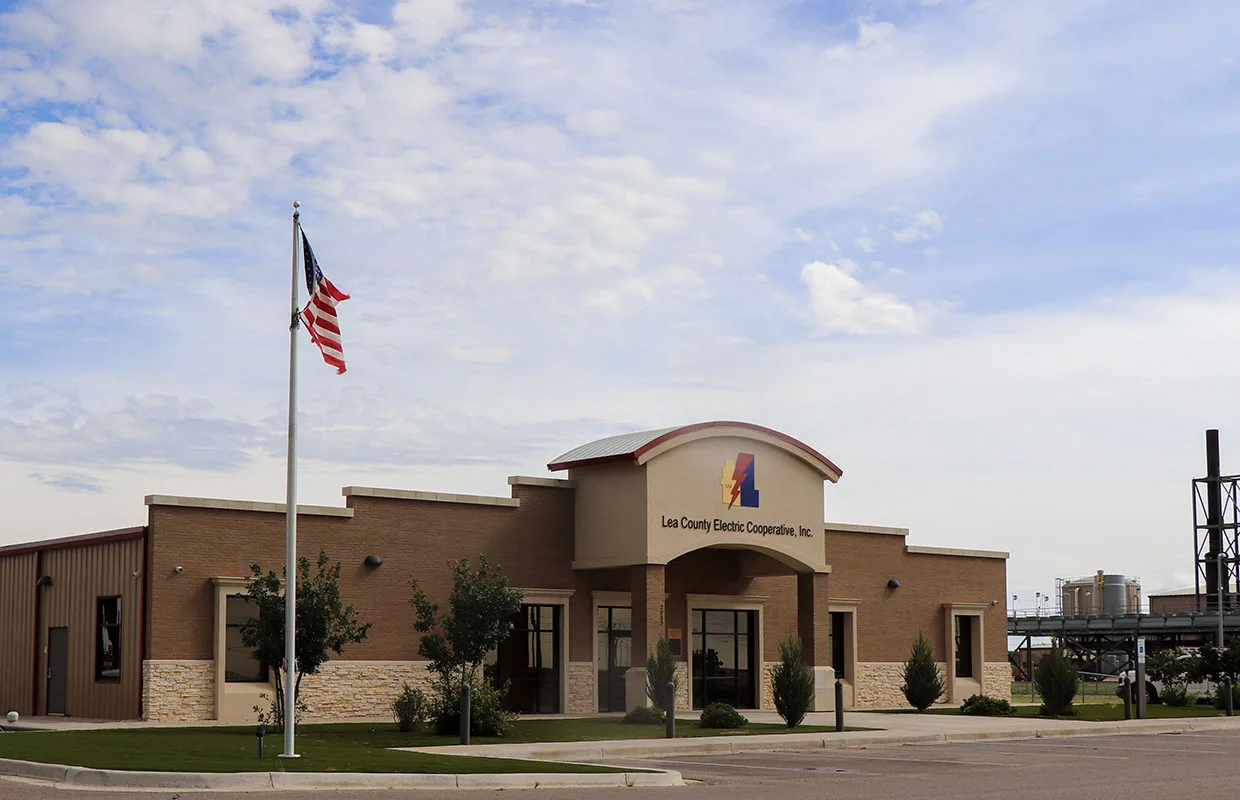
As a not-for-profit organization, Lea County Electric Cooperative, Inc. facilitates low-cost, high-value, and reliable electricity for its members in rural communities across Texas and New Mexico. We speak to Bobby Ferris, Executive Vice President and General Manager, who tells us how the company’s founding cooperative ownership model still informs its activities today.
OWNED BY THOSE IT SERVES
The electric utility industry in the US is going through a period of immense change, primarily driven by the rapid expansion of electrification, increasing prominence of artificial intelligence (AI), and the large energy consumption required to power these evolutions.
To meet the demands of these developments, the country is witnessing some of the largest infrastructure upgrades on record, facilitating greater access to electricity for many rural areas of the US in order to help alleviate the pressures of record-breaking consumption.
This is where organizations like Lea County Electric Cooperative, Inc. (LCEC) come in – a leading electrical provider for Chaves, Eddy, and Lea Counties in New Mexico, and Cochran, Gaines, and Yoakum Counties in Texas.
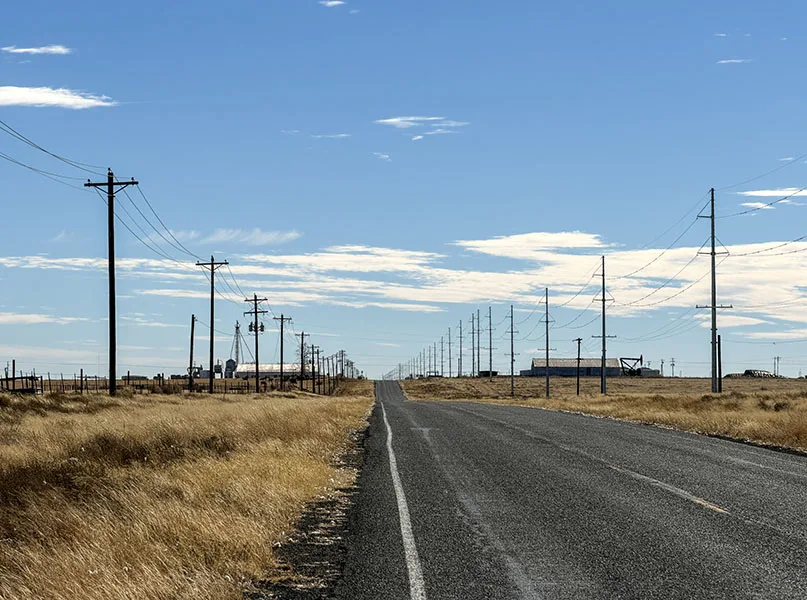
Serving approximately 7,600 members across the two states, LCEC’s network boasts over 4,200 miles (mi), comprising 4,300 mi of distribution line and 348 mi of transmissions line – extensive coverage supported by around 16,700 meters.
LCEC’s unique footprint means it can provide its members with high-value, low-cost, and reliable service – a core mission that serves its philosophy as a not-for-profit cooperative.
“Having been in business for over 77 years, we’ve focused on being competitive and offering reliable, safe, and affordable electricity to our members who otherwise would not have had that service.
“The cooperative business model we were founded on still works today, and that’s what makes us different,” opens Bobby Ferris, Executive Vice President and General Manager.
COOPERATIVE PRINCIPLES AT THE CORE
LCEC was established in 1946 by a group of local farmers, ranchers, and business leaders in an effort to bring electricity to rural areas in the region that were not being adequately served by investor-owned utilities.
The organization is still underpinned by the core values of fairness and justice, with each entity it serves also being a member owner of the company.
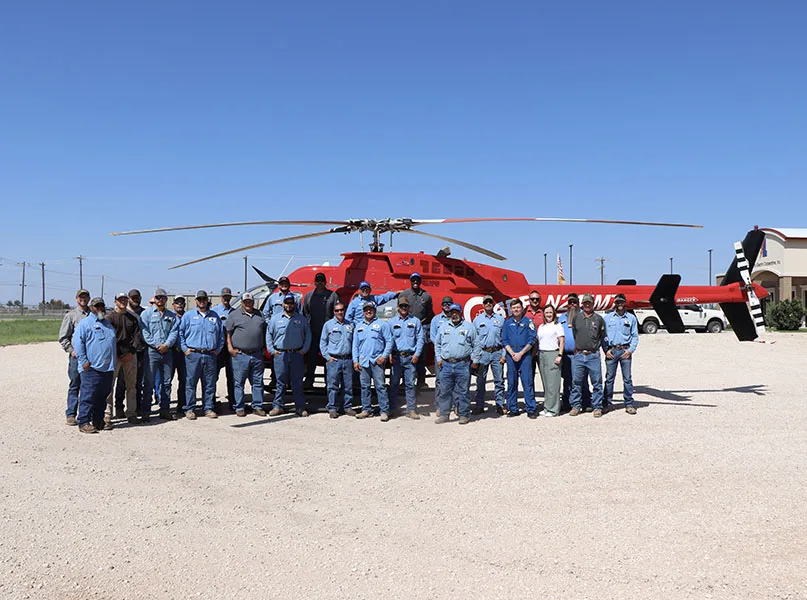
“We treat all members equally – no matter if they’re a large oil and gas company, retail business, rancher, or an individual homeowner, they all have the same equity in the company,” Ferris highlights.
Indeed, LCEC does not discriminate with its membership, emphasised by its founding vision: one member, one vote, and access for all.
“As a not-for-profit cooperative, at the end of the year, any excess margins are returned to our members as capital credits based on the consumption of each individual member,” Ferris explains.
At the center of this member-owned cooperative ethos is the organization’s goal to provide operational excellence at the lowest cost possible while continuing to maintain its systems and reinvest in infrastructure.
“Although you can always provide services at a lower rate, if you don’t do the maintenance or reinvestment, this will eventually end up costing companies more in the long-run. So, we’re constantly looking at a balance between investing in that aging infrastructure and modernizing the grid to make it more robust,” he details.
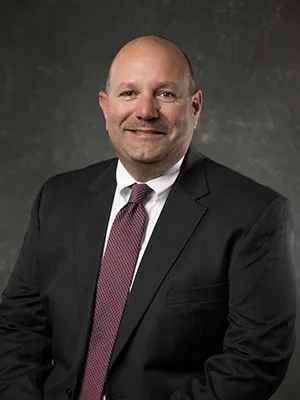
“We view our members as partners, and we look at the most economical way to achieve access to power and meet their needs because we have an obligation to serve”
Bobby Ferris, Executive Vice President and General Manager, Lea County Electric Cooperative, Inc.
AN OBLIGATION TO SERVE
Unlike other utility organizations, LCEC is not trying to generate additional revenue. Rather, it makes enough profit to cover operational costs and have the necessary reserves for any unforeseen circumstances.
“This is what really separates us and drives our vision of being able to provide safe, affordable, and reliable services while also keeping an eye on the target of keeping our rates low and increasing profits,” he surmises.
This objective is further informed by the fact the company strives to provide equal access to electricity for everybody.
“We view our members as partners, and we look at the most economical way to achieve access to power and meet their needs because we have an obligation to serve,” Ferris impassions.
Furthermore, owners can vote for a trustee who is eventually elected to be part of LCEC’s Board of Trustees, demonstrating the democratic power of each member.
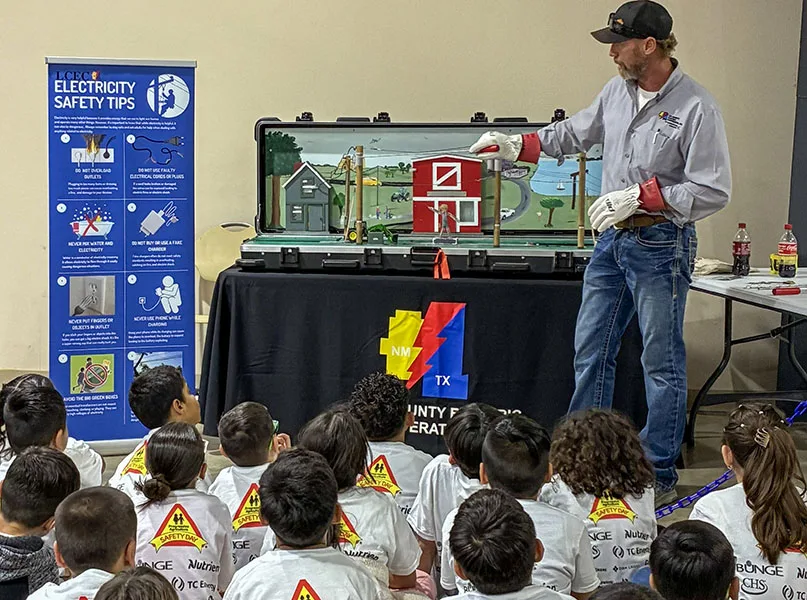
The organization also maintains full transparency with its members through multiple communication channels such as a monthly newsletter found in local publications, regular updates on the company’s website, and collaborative social media posts.
POWERING THE NEEDS OF THE AREA
As the number one oil producing county in the US and located in the center of the Permian Basin – one of the most prolific oil fields in the country – Lea County is going through a unique period, typified by large amounts of industrial growth.
This, in turn, creates more job opportunities, generating disposable income in the local area. This results in greater demand for housing and residential amenities such as hospitals and retail stores.
“In this case, you need more infrastructure to be able to power all these needs of the various businesses and residential areas,” Ferris notes.
In response, LCEC has increased its capacity to meet these rising demands and serve the needs of the new loads that are driven by a growing economy.
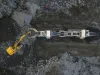
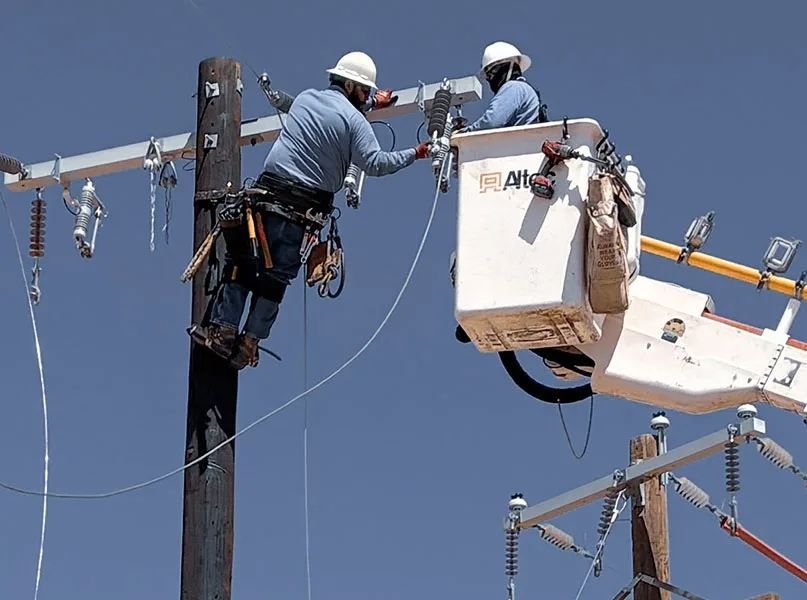
For example, 23 mi of the company’s transmission line has recently been upgraded to non-wood structures and fitted with a more substantial conductor, which was insulated to facilitate an operational capacity of 115-kilovolts.
The new line is the backbone of LCEC’s transmission system, connecting seven separate substations and two interchanges to greatly increase reliability. LCEC simultaneously upgraded all the substations along this route to increase the line’s capacity and better serve members in the area.
“All these projects were identified and driven by load growth so that we could provide reliable, safe electricity to those members.
“We didn’t wait until a problem occurred; we proactively sought to make this investment so that we’re ready for when our members need us,” Ferris attests.
Going forward, LCEC’s foundational purpose will continue to drive its upward trajectory.
“I think when you create those founding principles, these are not just what you got started with; they need to be your end goal as well.
“So, our goals today are the same as they were in the beginning: ensuring everyone has equal access, operating responsibly as a not-for-profit business, and ensuring our rates provide affordable, reliable, safe electricity,” Ferris concludes.
This company profile was produced by the editorial team at North America Outlook, a publication within the Outlook Publishing global network of B2B industry magazines.
Outlook Publishing showcases organisations and leadership teams shaping sectors including manufacturing, mining, construction, healthcare, supply chains, food production, and sustainability.
North America Outlook highlights organisations driving innovation and industry leadership across North America.