



PepsiCo has reported progress across climate action, regenerative agriculture, packaging, water and nutrition as part of its 2025 environmental, social and governance (ESG) reporting, including emissions reductions, lower virgin plastic use and the expansion of regenerative, restorative and protective agricultural practices to 4.7 million acres.
PepsiCo Updates Progress Towards pep+ Sustainability Goals
PepsiCo has published its 2025 ESG reporting, detailing progress against certain 2030 goals under its pep+ (PepsiCo Positive) strategy.
The food and beverage company reported developments spanning its agricultural supply chain, manufacturing operations, logistics, packaging and product portfolio.
Jim Andrew, Chief Sustainability Officer, PepsiCo, said: “We’re excited by the momentum we’re building as pep+ continues to transform our business end to end. We’re making significant progress — from expanding regenerative, restorative and protective practices to 4.7 million acres, reducing emissions of our operations, to evolving our product portfolio to offer more choices — and we’re doing it in ways that we believe will strengthen our business for the long term.”
Emissions Reductions and Renewable Electricity
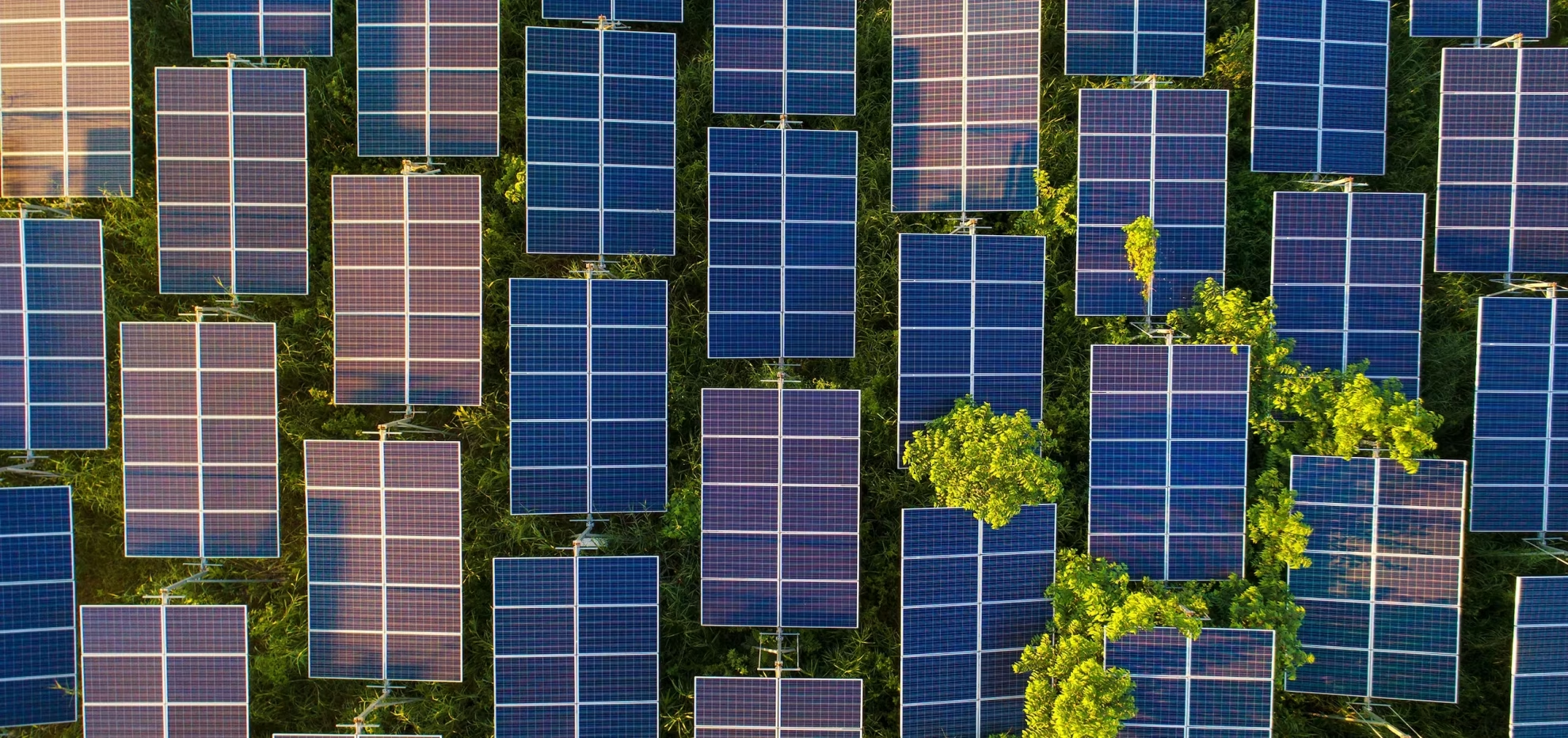
Against its 2022 baseline and including system contributions, PepsiCo reported reductions of 24 per cent for its Scope 1 and 2 goal, 12 per cent for its Scope 3 Energy and Industry goal and 18 per cent for its Scope 3 Forest, Land and Agriculture goal.
The company also sourced 96 per cent, or approximately 4,300 GWh, of electricity requirements for its company-owned operations from renewable sources, including through renewable energy credits.
In Europe, PepsiCo has collaborated with Yara International to work with approximately 1,000 farms covering around 128,000 hectares across the European Union and UK. The initiative focuses primarily on potatoes and aims to introduce low-carbon fertilisers and precision farming technologies.
In Mexico, PepsiCo added 1,070 Ford E-Transit electric vans to its delivery fleet to support efforts to reduce logistics emissions.
Regenerative Agriculture Expands Across Supply Chain
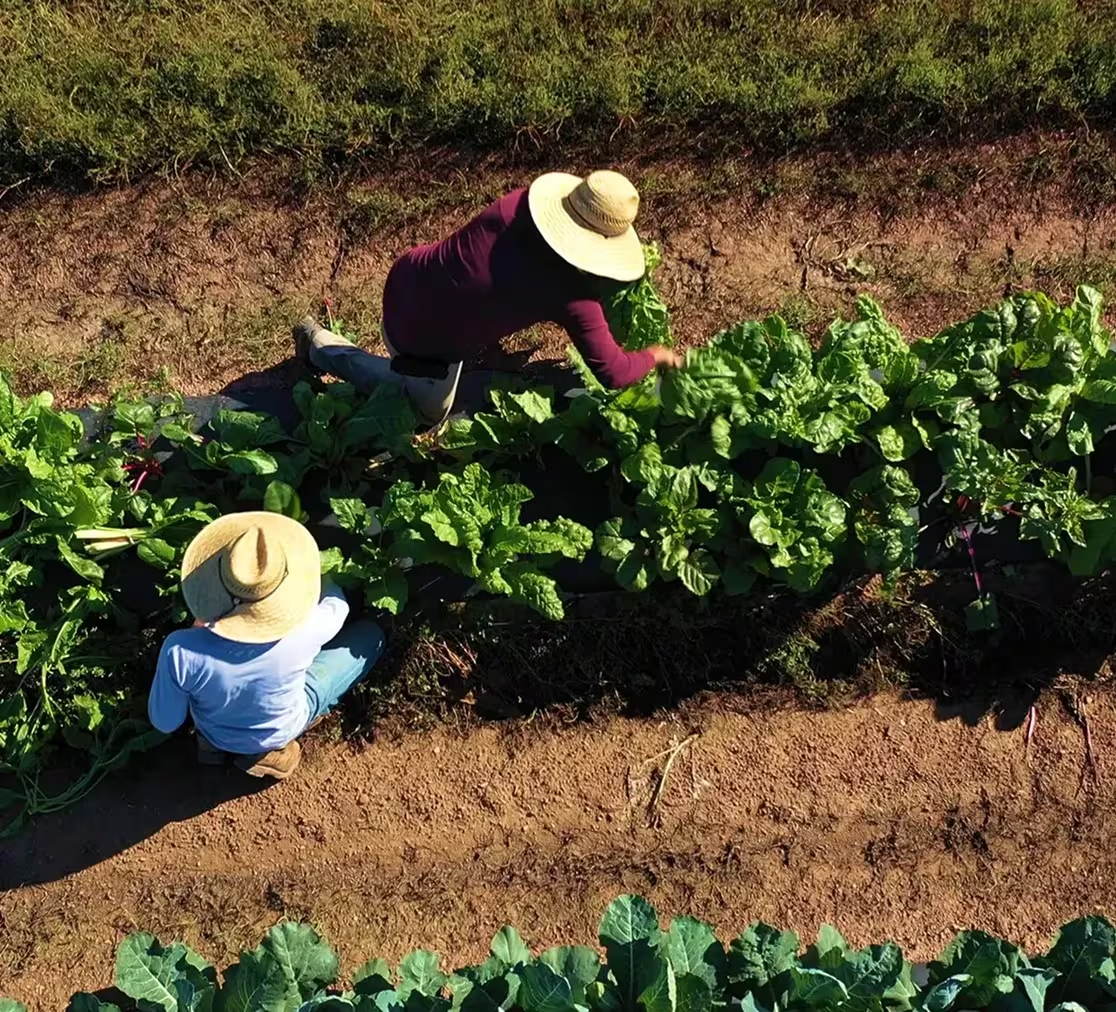
PepsiCo reported in July that regenerative, restorative and protective practices had expanded to 4.7 million acres.
Since 2021, approximately 224,000 people across its agricultural supply chains and communities have also been supported through programmes designed to improve economic prosperity and farmer and farm worker security.
Ramon Laguarta, Chairman and Chief Executive Officer, PepsiCo, said: “Our sustainability agenda and portfolio transformation initiatives are fundamentally about strengthening PepsiCo for the long term. Through pep+, we are working to build a more resilient business — one that aims to adapt to changing consumer preferences, supports our growth strategy, and creates value for shareholders while striving to help support the resources and communities that are critical to our future.”
Packaging Strategy Reduces Virgin Plastic Use
Packaging was another focus of the 2025 update, with PepsiCo reporting 2.0 million metric tons of plastic use across key packaging markets, including primary packaging.
For primary plastic packaging in these markets, absolute virgin plastic tonnage declined by six per cent between 2024 and 2025. Recycled plastic represented 18 per cent of primary plastic packaging in 2025.
Water stewardship initiatives also continued, with PepsiCo reporting 100 per cent water replenishment at company-owned facilities in high water-risk watersheds, and the company supported more than 60 active replenishment projects during 2025, helping replenish approximately 35 billion litres of water to local watersheds.
Food and Beverage Portfolio Shifts Continue
PepsiCo also reported changes across its food and beverage portfolio.
In 2025, 68 per cent of its beverage portfolio volume contained no more than 100 calories from added sugars per 12 oz serving, exceeding its 2025 goal of more than 67 per cent.
Some 79 per cent of convenient foods volume met its 2025 sodium target, while 79 per cent also met its saturated fat target.
The company delivered 79 billion portions of diverse ingredients, including whole grains, plant-based proteins, fruits and vegetables, during 2025. PepsiCo is targeting 145 billion portions annually across its global convenient foods portfolio by 2030.
The reported progress forms part of PepsiCo’s continued implementation of pep+, which incorporates sustainability across its food and beverage operations, agricultural supply chains and portfolio strategy.
“While there’s more work ahead, this progress reflects how we’re continuing to take steps to embed sustainability into how we operate, innovate, and grow,” adds Jim Andrew.
This article was produced by the editorial team at North America Outlook and published as part of the Outlook Publishing global network of B2B industry magazines.
Outlook Publishing delivers industry insights, company stories, and sector coverage across manufacturing, mining, construction, healthcare, supply chains, food production, and sustainability.
North America Outlook provides ongoing coverage of organisations and developments shaping industries across North America.