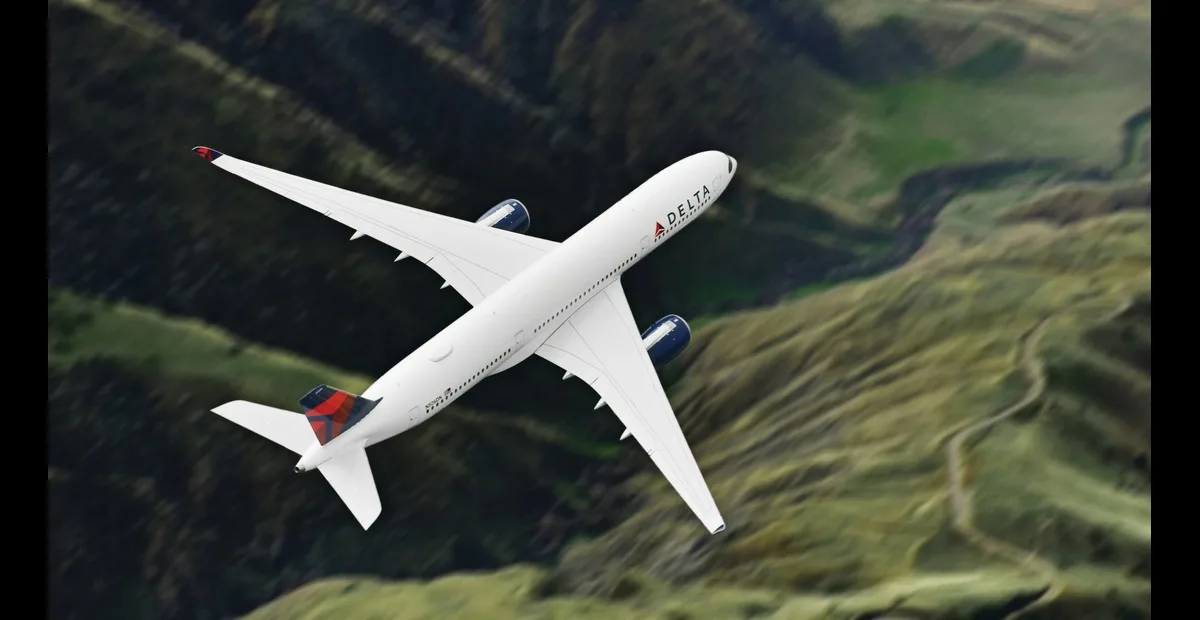
Delta Air Lines is expanding access to sustainable aviation fuel (SAF) across key US airports through a five-year agreement with Shell Aviation, strengthening fuel supply chains and supporting the infrastructure needed to scale lower-emission aviation.
Delta Air Lines has signed a five-year agreement with Shell Aviation to expand the availability of sustainable aviation fuel (SAF) across multiple US hubs and priority cities through 2030.
The collaboration will increase SAF supply at Los Angeles International Airport (LAX), Portland International Airport (PDX), John F. Kennedy International Airport (JFK), Logan International Airport (BOS) and Minneapolis-St. Paul International Airport (MSP), while supporting the infrastructure, blending and logistics needed to integrate SAF into routine airline operations.
Building on a long-standing relationship for conventional jet fuel, the agreement is designed to strengthen supply resilience and support the long-term adoption of lower-emission aviation fuels.
Alongside increasing fuel availability, the partnership focuses on developing the infrastructure required to scale SAF across Delta’s network.
Shell Aviation will support both blended and neat SAF deliveries at selected airports, helping establish the blending, distribution and logistics capabilities needed to ensure reliable fuel supply as demand grows.
Delta said this infrastructure-led approach is intended to make SAF part of everyday operations rather than a series of standalone initiatives.
“Current instability and uncertainty have made one thing very clear to consumers and businesses alike — supply diversity matters. With Shell, we’re proving that scaling SAF isn’t theoretical, it’s achievable,” said Amelia DeLuca, Chief Sustainability Officer, Delta Air Lines.
“This is about activating real supply chains at scale and creating a model that others can build on as we work across the industry to expand lower impact travel.”
The agreement also includes plans to evaluate next-generation SAF production technologies, including alcohol-to-jet and power-to-liquid pathways, with the aim of increasing future fuel supply and reducing lifecycle emissions.
“This collaboration delivers on today’s fuel needs and tomorrow’s aviation solutions. By supplying conventional jet, SAF and longer-term innovation, the deal will help strengthen energy security and contribute to the transformation of aviation,” said Reema Bari, Head of Aviation Americas, Shell Aviation.
The latest agreement builds on Delta’s wider SAF programme, including its role as an anchor partner in the Minnesota SAF Hub, which aims to accelerate SAF production and reduce the aviation sector’s reliance on conventional jet fuel.
The airline noted that in 2024, shipments of more than 7,000 gallons of SAF were delivered to both Minneapolis-St. Paul International Airport and Detroit Metropolitan Airport, marking a first for aviation in Minneapolis and Michigan.
With around 90 per cent of Delta’s carbon emissions linked to jet fuel consumption, the airline said SAF represents the most effective near-term solution currently available to reduce aviation emissions as it works towards its net zero emissions target by 2050.
Delta said the agreement demonstrates the importance of collaboration across the SAF value chain, bringing together fuel suppliers, airlines and infrastructure partners to expand production, improve distribution and support wider adoption of lower-emission fuels.
The company believes partnerships such as this will play an important role in building the resilient supply chains needed to support a more sustainable future for aviation.