



Coupa’s latest benchmark report finds that AI-driven intake processes can significantly improve procurement efficiency by reducing manual invoice handling while strengthening contract compliance and spend management across the source-to-pay lifecycle.
Why AI-Driven Intake Delivers Measurable Procurement Efficiencies
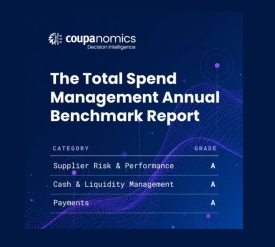
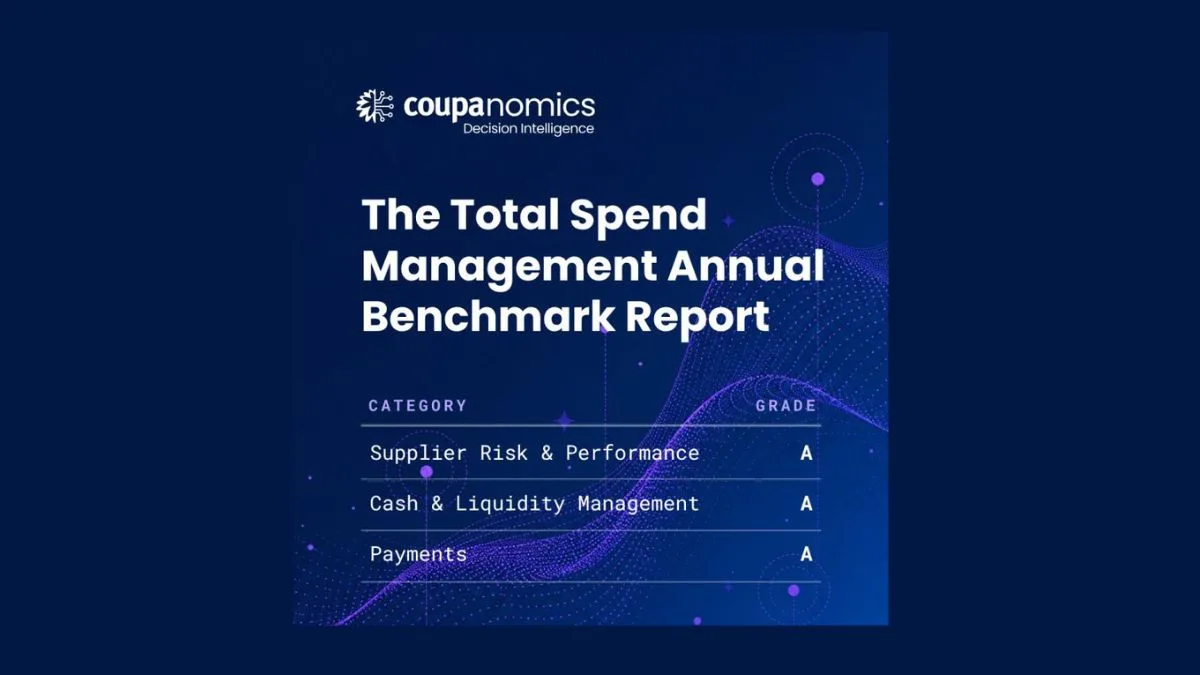
Coupa has released its 2026 Total Spend Management Benchmark Report, identifying structured, AI-enabled intake processes as a key factor in improving financial performance and procurement efficiency.
Based on more than USD$10 trillion of spend data from Coupa’s global network, the report examines how organisations are using artificial intelligence (AI) across source-to-pay processes to reduce costs, improve operational performance and support business growth.
According to the report, organisations without a structured intake process experience an expected manual invoice handling rate of 47.7 per cent. Implementing structured intake—by validating purchasing requirements, selecting compliant suppliers and creating purchase orders before invoices are received—significantly reduces the need for manual invoice review.
Procurement Performance Improves Through Connected Processes
The report also highlights the relationship between procurement activities earlier in the purchasing process and downstream financial performance.
For the first time, Coupa’s Spend Lab analysed how its 17 core procurement and finance key performance indicators (KPIs) interact, finding that On-Contract Spend and Structured Spend move together more closely than any other metrics in the dataset.
The findings suggest that structured intake, contract management and procurement automation operate as interconnected processes rather than isolated improvements, enabling organisations to generate wider operational benefits across the source-to-pay lifecycle.
Kevin Iaquinto, Chief Marketing Officer at Coupa, said: “Organizations looking for proven AI technology to impact margins can no longer rely on static snapshots. We found that structuring intake alone drives a 19.5-percentage-point drop in manual invoice review—and that upstream AI investments in sourcing and contracts compound value all the way downstream.”

How Unified Spend Data Supports Better Decision-Making
The report also points to the importance of integrated procurement and finance data.
A recent Coupa survey of 600 chief financial officers (CFOs) found that 42 per cent identified siloed spend data across enterprise resource planning (ERP) systems as one of their biggest challenges. At the same time, 65 per cent said they plan to rely more heavily on data-driven sourcing insights to improve margins during 2026.
According to Coupa, fragmented technology environments make it more difficult to identify relationships between procurement activities and financial outcomes, while a unified platform enables organisations to analyse sourcing, contracts, procurement, invoicing and payments as part of a single dataset.
Benchmark Data Supports Source-To-Pay Optimisation
The 2026 Total Spend Management Benchmark Report provides procurement and finance leaders with benchmarking data covering the wider source-to-pay process, including supplier risk, supplier performance, cash management and liquidity.
The report also introduces a cascade-based analysis showing how top-performing organisations within its customer community are combining AI, procurement automation and structured spend management to improve both cost control and business growth.
The report is based on spend data generated across Coupa’s global platform, which supports more than USD$10 trillion in transactions and connects more than 11 million buyers and suppliers through its autonomous spend management network.
This article was produced by the editorial team at North America Outlook and published as part of the Outlook Publishing global network of B2B industry magazines.
Outlook Publishing delivers industry insights, company stories, and sector coverage across manufacturing, mining, construction, healthcare, supply chains, food production, and sustainability.
North America Outlook provides ongoing coverage of organisations and developments shaping industries across North America.