



SUPPORTING A STRONGER, MORE RESILIENT MARKET
Sustainable aviation fuel (SAF) is crucial for aviation decarbonization, as it has the potential to significantly reduce life-cycle greenhouse gas emissions compared to traditional petroleum-based jet fuel.
The issue lies with the fact that the sustainable aviation fuel (SAF) industry has yet to attract the necessary investment to scale production at competitive prices.
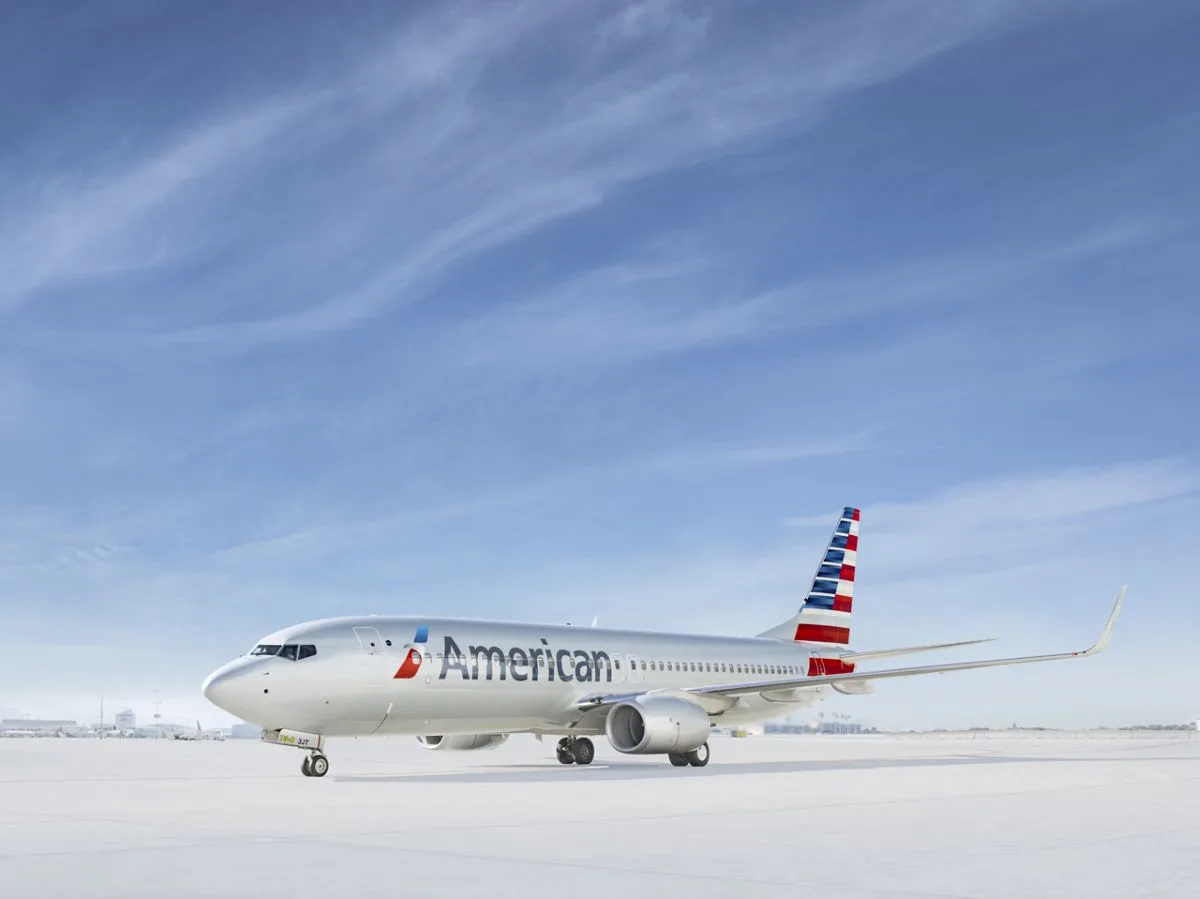
However, in an enormous effort to mitigate this barrier, American Airlines and Google have announced their record-breaking agreement for SAFc, which will unlock 35 million gallons of SAF over three years and nearly 300,000 metric tons of carbon dioxide equivalent emissions reductions. The agreement includes American Airlines purchasing and taking delivery of fuel for the Chicago O’Hare International Airport through existing infrastructure, of which the SAF portion will be produced from waste feedstocks.

“Our industry-leading agreement with Google is a critical step forward in reducing emissions from our operations. By working with leaders like Google who share our commitment to innovation, we’re helping to grow demand for SAF and support the development of a stronger, more resilient market,” says Jill Blickstein, American Airlines’ Chief Sustainability Officer.
Google will receive the environmental benefits to address its emissions from employee business travel through the SAFc Registry, allowing for transparent and traceable book-and-claim SAFc.

Kate Brandt, Chief Sustainability Officer at Google, notes that “This strategic collaboration with American Airlines demonstrates how companies can work together to scale critical sustainability technologies. By entering into this long-term commitment, we are sending a vital demand signal to catalyze investment and bring more SAF to market.”
AT THE FOREFRONT OF CLEAN ENERGY

Alongside SAF initiatives, American Airlines recently partnered with Google, Contrails.org, and Flightkeys to conduct a 16-week trial that integrates contrail avoidance into the airline’s flight planning processes. The results showcased a statistically significant 62 percent reduction in contrail formation and a notable reduction in related warming.